


If you want to give your home a modern look, 3D wall tile ideas might just be the perfect solution.
3D wall tiles add depth and texture to any room, creating an eye-catching feature that goes beyond traditional flat tiles.
Whether you’re aiming for a subtle accent or a bold statement, there’s a 3D wall tile design to suit every style.
Dive into our list of 10 stunning 3D wall tile ideas to inspire your next home makeover.
Modern Geometric Kitchen Tiles
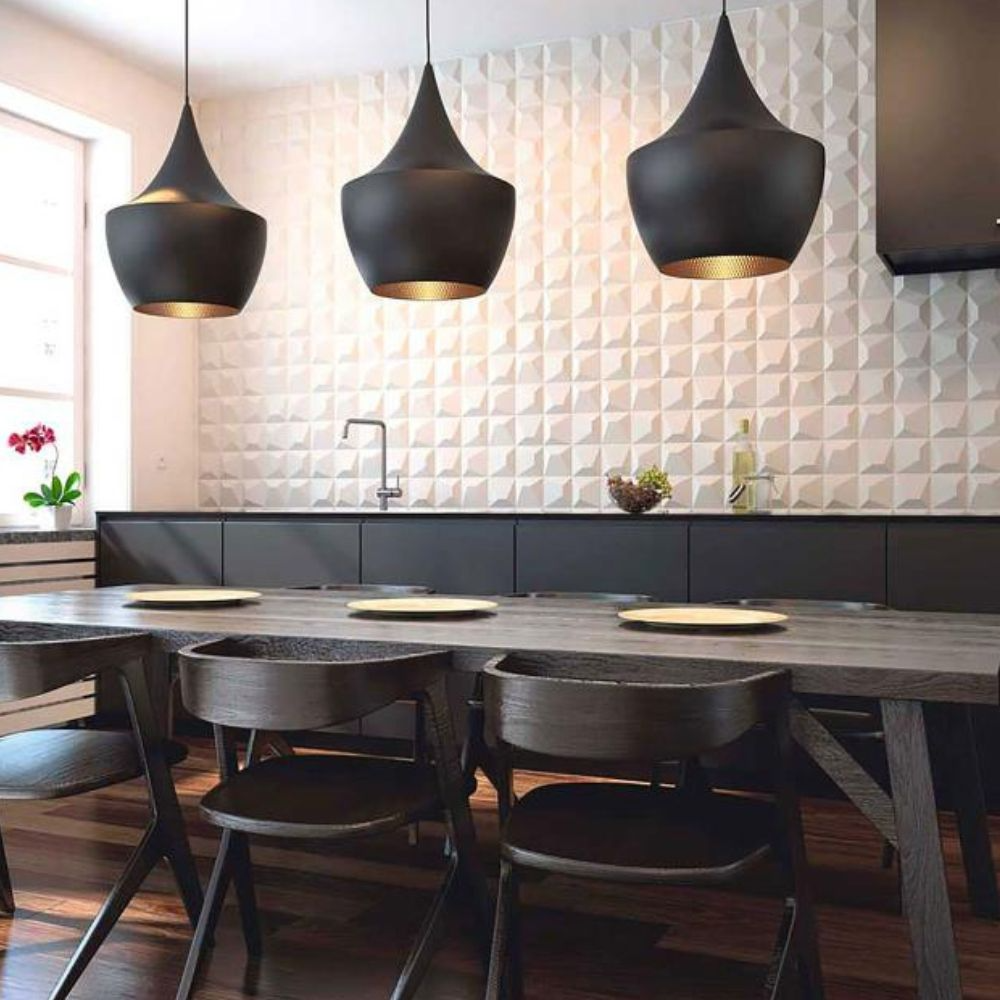
In the heart of your home, the kitchen, 3D wall tiles can make a remarkable difference. Modern geometric tiles add a stylish touch and enhance the room’s overall atmosphere. The sleek black fixtures paired with the 3D tiles create a contemporary and sophisticated look.
The geometric patterns play with light and shadow, making your kitchen appear more dynamic and lively. 3D tiles create a perfect blend of function and aesthetics, making your kitchen a place where everyone wants to gather.
Elegant Diamond Living Room Feature
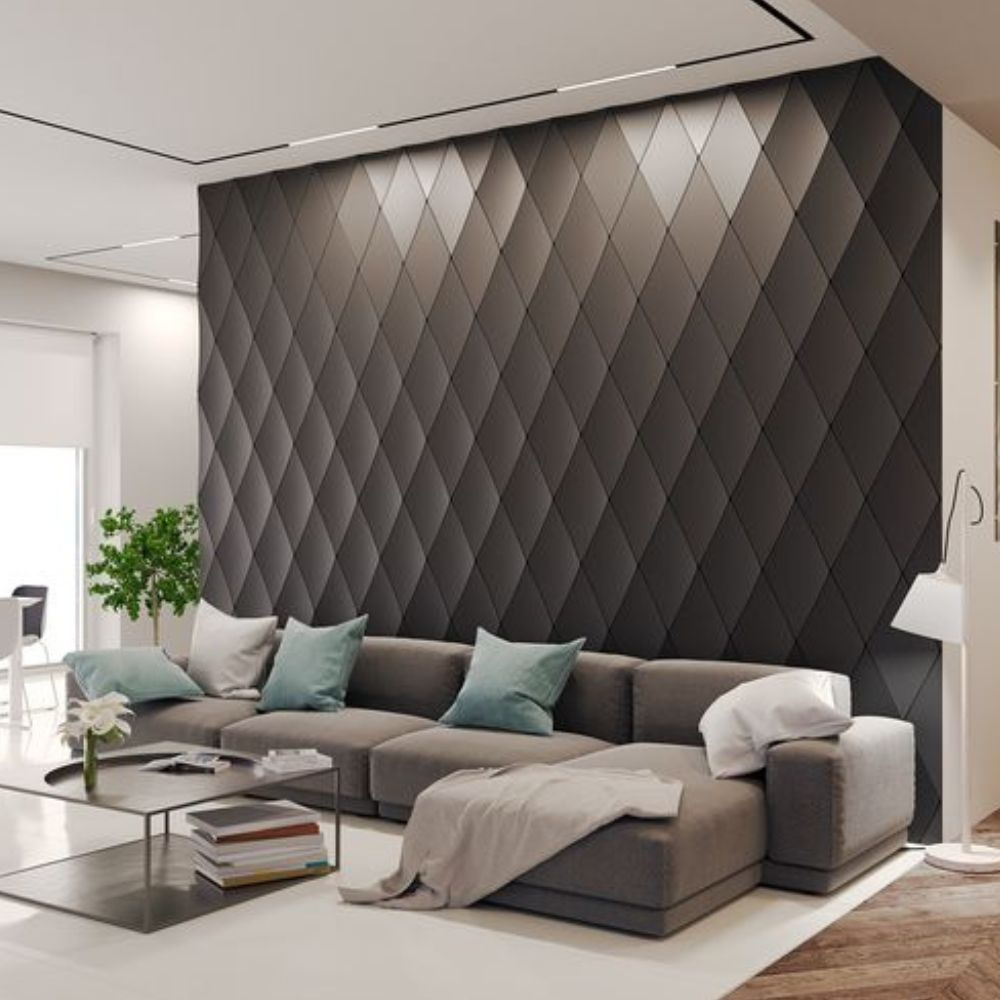
Transform your living room with an elegant diamond-patterned 3D tile feature wall. This design adds a touch of luxury and sophistication, making your living space feel more refined. The dark, rich tones of the tiles contrast beautifully with lighter furnishings, creating a balanced and harmonious look. This feature wall adds texture and depth, making your living room stand out.
Textured Hexagonal Bathroom Walls
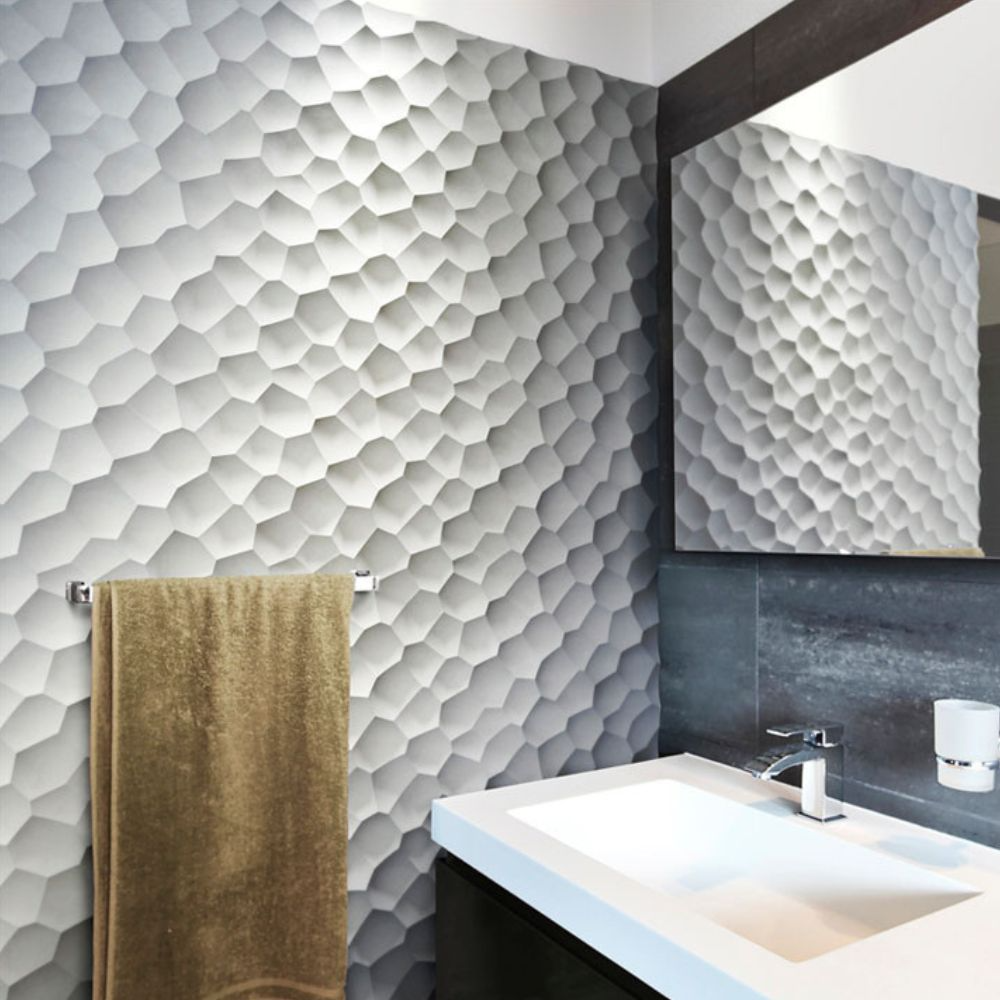
Textured hexagonal 3D wall tiles can add a unique touch to your bathroom. They create a stunning visual effect, reminiscent of natural stone formations. The intricate patterns of hexagon tiles add a layer of complexity and interest to your bathroom, making it a place to relax and unwind.
Pair 3D tiles with minimalist fixtures and neutral colours to let the effect truly shine. It’s a small change that makes a big impact.
Serene Wave Patterns for the Bathroom
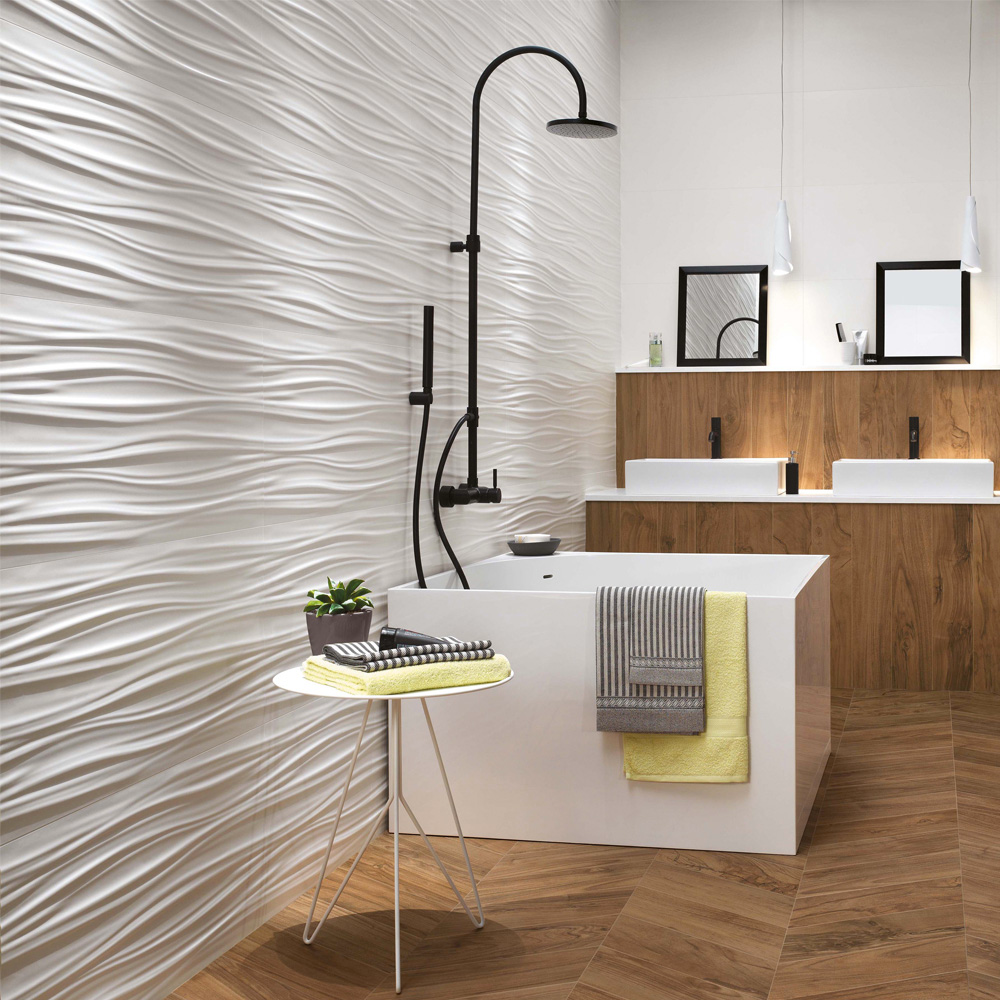
Wave-patterned 3D tile wall tile ideas evoke a sense of calm and relaxation, perfect for creating a serene atmosphere. The soft, flowing lines of the wave pattern add a gentle, soothing effect to your space. Combine the 3D tiles with natural materials like wood and stone, and you’ll transform your bathroom into a peaceful oasis where you can escape the hustle and bustle of everyday life.
Natural Stone-Look for Outdoor Spaces
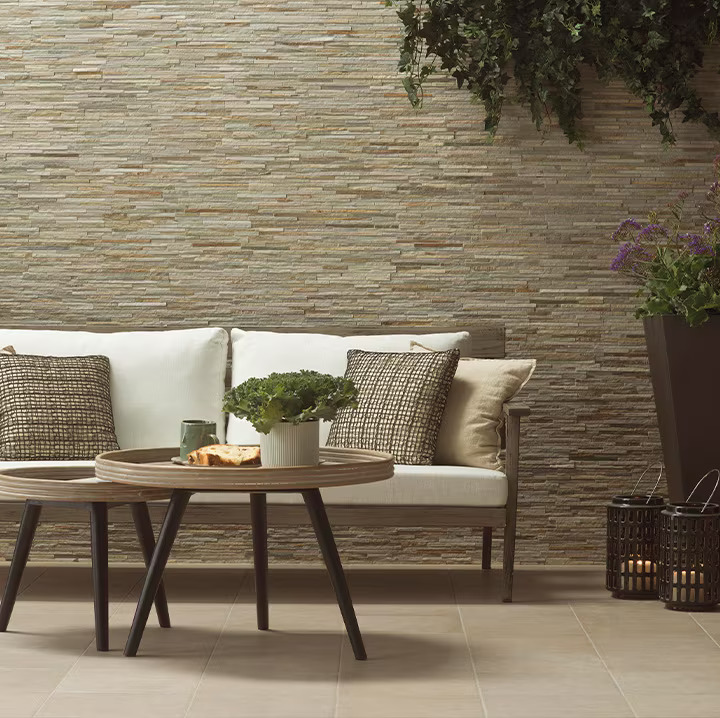
Enhance your outdoor living areas with 3D wall tiles that mimic natural stone, bringing a rustic yet sophisticated feel to your patio or garden. The texture and variation in the tiles add depth and interest, creating a warm and inviting environment.
Stone tiles are durable and weather-resistant, making them a practical choice for any outdoor space. Enjoy the beauty of nature with the durability of modern materials.
Flowing Wave Living Room Accent
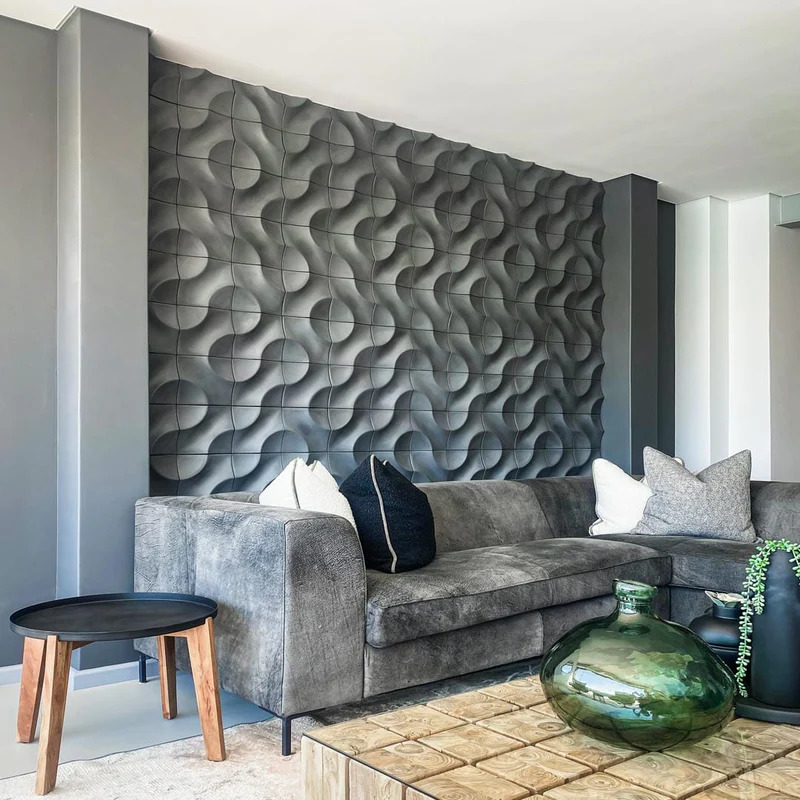
Create a stunning focal point in your living room with flowing wave-patterned 3D tiles. Wave patterns bring a sense of movement and fluidity to the space, making it feel more dynamic and alive. The soft curves and shadows add depth and texture, transforming an ordinary wall into an extraordinary feature. Pair your wavy 3D tiles with modern furniture and minimalistic décor to let the design truly stand out.
Organic Shapes in the Kitchen
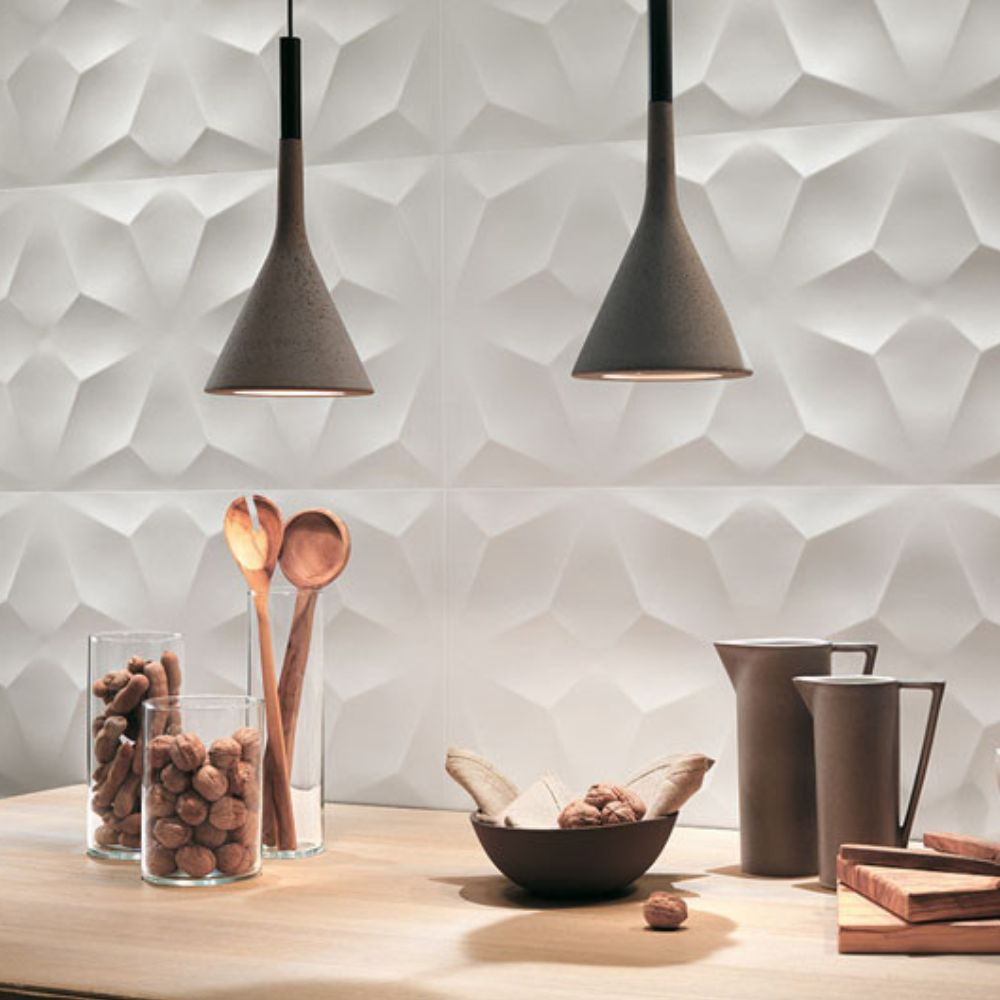
Add a touch of natural elegance to your kitchen with organic-shaped 3D wall tiles. The subtle, yet impactful, design creates a unique and contemporary look, perfect for modern kitchens. The soft, flowing shapes mimic natural forms, adding a sense of tranquillity and harmony to your cooking space. Combine 3D tiles with wooden elements and neutral tones for a balanced and inviting kitchen atmosphere.
Chevron Pattern Dining Room
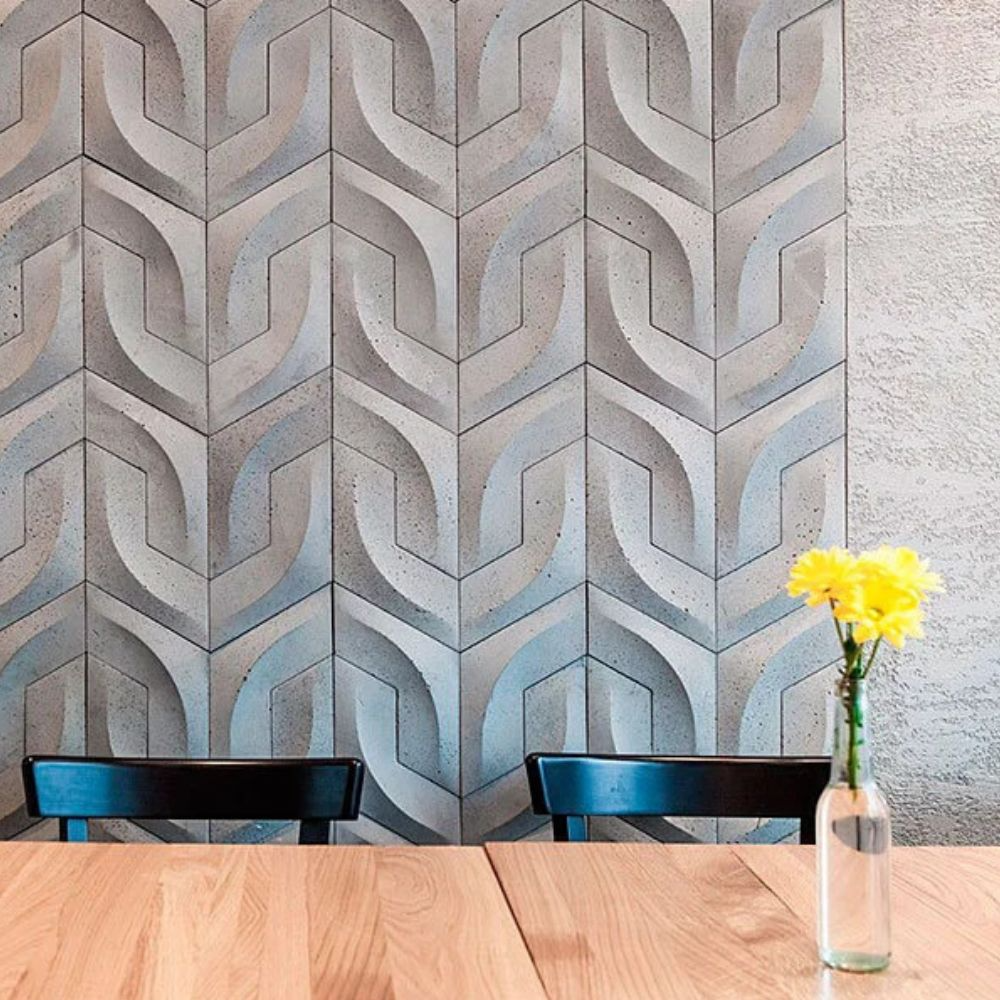
Make a bold statement in your dining area with chevron-patterned 3D wall tiles. The geometric design adds a modern and stylish touch, creating a visually appealing backdrop for meals and gatherings.
The interplay of light and shadow on the chevron pattern brings depth and interest, making your dining area a conversation starter. Pair with simple, modern furniture to let the tiles shine.
Textured Stone-Look TV Wall
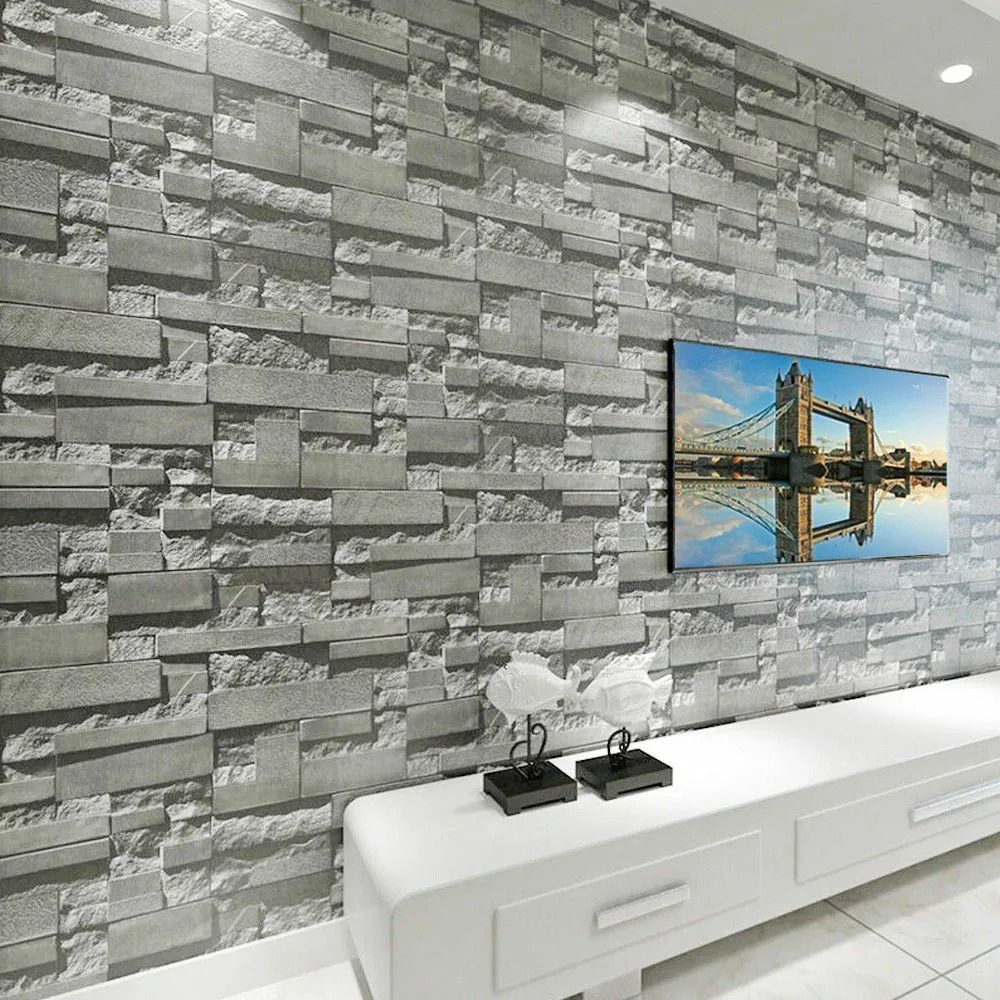
Textured stone-look 3D wall tiles offer the rugged charm of natural stone with the practicality of modern materials. The varying textures and shades create a visually engaging wall that complements your TV setup. It’s a perfect way to add character and warmth to your living room while keeping it stylish and contemporary.
Sleek and Modern Kitchen Backsplash
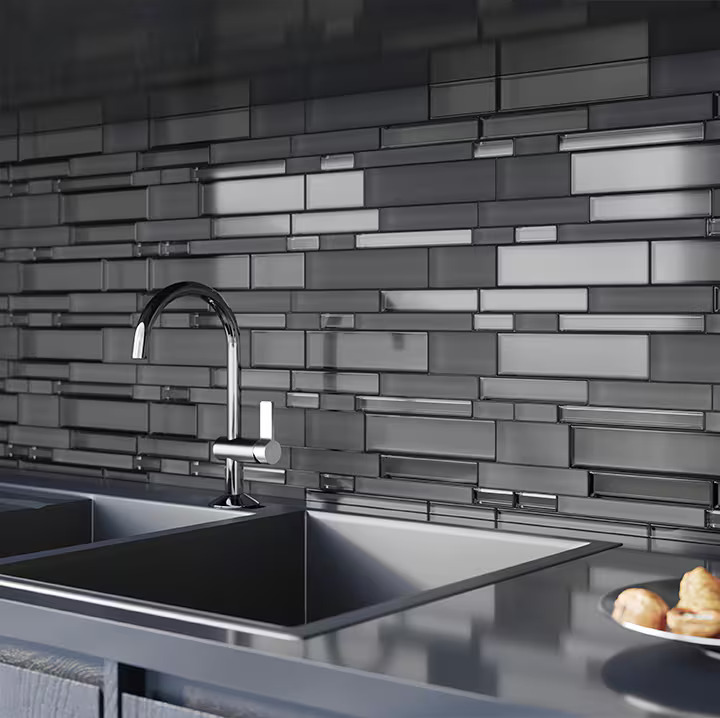
Update your kitchen with a sleek and modern 3D tile backsplash. The reflective surfaces and clean lines of 3D tiles create a chic and sophisticated look, perfect for contemporary kitchens. The 3D effect adds depth and interest, making your backsplash not only functional but also a stunning visual feature. Pair with stainless steel appliances and dark countertops for a cohesive and stylish kitchen design.
3D Kitchen Wall Tiles: Splashbacks and Feature Walls
The kitchen is where 3D wall tiles earn their keep, because the right kitchen wall tiles add texture and shadow without crowding a busy room. Used as a splashback behind the hob or a feature wall on a chimney breast, a sculpted tile catches the light and gives a flat run of units something to talk about.
Pick a tile that copes with cooking
Behind a hob and sink, kitchen wall tiles have to handle heat, steam and splashes of oil. Glazed ceramic and porcelain are the safe choices: the fired glaze wipes clean and resists grease, where unsealed natural stone needs regular sealing to stay looking fresh. If you love a stone look, a porcelain tile that mimics marble or slate gives you the texture with far less upkeep.
Keep the grout easy to live with
Deep 3D profiles look stunning but have more surface for grease to settle into, so behind the hob a shallower relief or a large-format tile with fewer joints is more practical. A good epoxy or stain-resistant grout, in a shade close to the tile, keeps the splashback looking clean and lets the texture rather than the grid do the talking.
Scale the pattern to the space
In a small kitchen, a single 3D feature wall or a strip of textured splashback adds depth without shrinking the room, while a galley can take a full run of subtle relief tiles to draw the eye along. Keep the rest of the scheme calm so the tiles stay the star.
FAQ
Are 3D Tiles Good for My Home?
Absolutely, 3D tiles are an excellent choice for home interiors. They add depth and texture, making any room feel more dynamic and visually appealing.
With a variety of designs available, from modern geometric patterns to natural stone looks, 3D tiles can complement any decor style. They are also durable and easy to maintain, making them a practical and stylish option.
Are 3D Tiles Hard to Clean?
Not at all. Most 3D tiles are designed with ease of maintenance in mind. Regular cleaning with a damp cloth and mild detergent is usually sufficient to keep them looking pristine.
For more textured surfaces, a soft brush can help remove any dirt from the crevices. It’s always a good idea to check the manufacturer’s recommendations for specific cleaning instructions to ensure your tiles stay in top condition.
What Wall Tile Pattern Makes a Room Look Bigger?
Use light-coloured tiles with subtle patterns to make a room look bigger. Chevron or diagonal patterns can create an illusion of more space, drawing the eye across the room.
Similarly, wave and linear patterns can elongate walls, giving the impression of a larger area. Opting for glossy or reflective tiles can also help by bouncing light around the room, enhancing the sense of openness.
How Do 3D Tiles Work?
3D tiles add an extra dimension to flat surfaces, creating a textured effect that plays with light and shadow. This adds depth and interest to walls, making them more than just a backdrop.
The designs can range from subtle waves to bold geometric patterns, each offering a unique way to enhance the aesthetic of a room. Installation is similar to that of traditional tiles, but it’s essential to ensure a smooth and even application to achieve the best results.
What Tiles Are Best for Kitchen Walls?
Glazed ceramic and porcelain are the best all-round kitchen wall tiles: the fired surface wipes clean, resists grease and copes with heat behind a hob. Porcelain is the hardest-wearing, glass tiles give a bright, reflective splashback, and natural stone looks beautiful but needs sealing to stay clean. For a textured 3D look that is still practical, choose a glazed tile with a shallower relief behind cooking zones.
Conclusion
Incorporating 3D wall tile ideas into your home decor can transform your space, adding texture, depth, and a touch of modern elegance.
Whether you’re updating a kitchen backsplash, creating a feature wall in your living room, or enhancing your bathroom, 3D tiles offer a versatile and stylish solution.
With their ease of maintenance and wide range of designs, they are a practical choice for any home., bringing a new dimension to your interiors.
Before you pick a kitchen wall tile: the weight limit nobody mentions
Every tile showroom will talk you into a large-format porcelain or a natural stone. What almost nobody asks first is what your wall can actually hold, and that is the thing that decides whether a kitchen wall tile stays up.
BS 5385-1, the British Standard for internal ceramic wall tiling, sets a maximum weight of tiling for each background. “Tiling” here means the tile plus its adhesive bed plus the grout, not the tile on its own:
- Gypsum plaster: 20 kg per square metre
- Gypsum plasterboard, 12.5mm: 32 kg per square metre
- Gypsum fibreboard: 40 kg per square metre
- Glass-reinforced cement board: 50 kg per square metre
- Foam-cored tile backer board: 60 kg per square metre
- Sand and cement render: 64 kg per square metre
The trap is the skimmed wall. Most modern kitchen walls are plasterboard that has then been skimmed with finish plaster. When two backgrounds are stacked like that, the lowest figure governs, so the wall is a 20 kg per square metre wall, not a 32 kg one. That is the plaster limit, and it rules out a lot of what gets sold as a kitchen wall tile: heavy natural stone, thick 20mm porcelain and some deep 3D feature panels all go over it once adhesive and grout are counted.
There are two honest ways round it. Take the skim off back to the plasterboard and tile the board directly, which gets you to 32 kg. Or overboard with a tile backer board, which gets you to 60. Neither is expensive at splashback size, and both are far cheaper than re-tiling a wall that has let go.
A worked example: what a Bromley splashback actually costs
Using the labour figures above, a typical run between worktop and wall units is about 3 square metres. At UK wall-tiling labour of roughly £25 to £50 per square metre, plus the 20 to 35 per cent South East uplift, the fitting on that comes out at roughly £90 to £200, before tiles, adhesive and grout. A full-height feature wall behind the hob, say 6 square metres, is double the area and more than double the labour once you add cuts around sockets, switches and an extractor.
Two things move that number more than the tile you choose. Cuts: mosaics, small formats and anything laid on a diagonal or herringbone take far longer per square metre than a straight-set metro. And substrate: an out-of-true wall has to be made flat before a large-format tile will sit without lipping, and that is separate work.
Whatever the quote, order 10 per cent more tiles than the measured area. Cuts and breakages take some, and a batch match two years later for a repair is usually impossible.
Kitchen wall tile questions we get asked most
Can I tile straight over existing kitchen wall tiles?
Sometimes, and it is a weight question again. The old tiles, their adhesive and grout already count against the wall’s limit, and the new layer is added on top of that, so a skimmed plasterboard wall at 20 kg per square metre will rarely take two layers. The existing tiles also have to be sound, well bonded and free of any that sound hollow when tapped. On a splashback it is usually quicker and safer to strip back and start again.
Can 3D or textured tiles go directly behind a hob?
They can, but we steer people away from it. A 3D tile’s whole point is relief, and relief traps airborne grease exactly where there is most of it. A flat glazed ceramic or porcelain behind the hob with the textured tile running either side gives you the look without the weekly scrub. If you do want texture behind the hob, pick a shallow relief with a gloss glaze rather than a deep matt one.
What grout colour lasts best in a kitchen?
A mid tone, grey or taupe. Brilliant white grout looks sharp for about a year in a working kitchen and then never looks clean again. Epoxy grout resists staining far better than cement-based grout and is worth the extra behind a hob or a kettle, though it is harder to work with and costs more to fit.
Do I need to seal kitchen wall tiles?
Glazed ceramic and porcelain need no sealing, the glaze is the seal. Natural stone does, before grouting and again periodically, and unglazed or honed surfaces will stain from oil if you skip it. That ongoing job is a real reason to think twice about stone on a kitchen wall rather than a bathroom one.
How long does a kitchen splashback take to tile?
A straightforward 3 square metre splashback in a simple format is usually a day for tiling and a short second visit to grout and silicone once the adhesive has set. Add time for stripping old tiles, making the wall flat, or any mosaic and intricate cutting.
We quote fixed prices after seeing the wall, so the substrate, the cuts and the weight limit are all priced in before you commit. If you are weighing tiles against the alternatives, we compare them on our guide to kitchen wall coverings instead of tiles.