


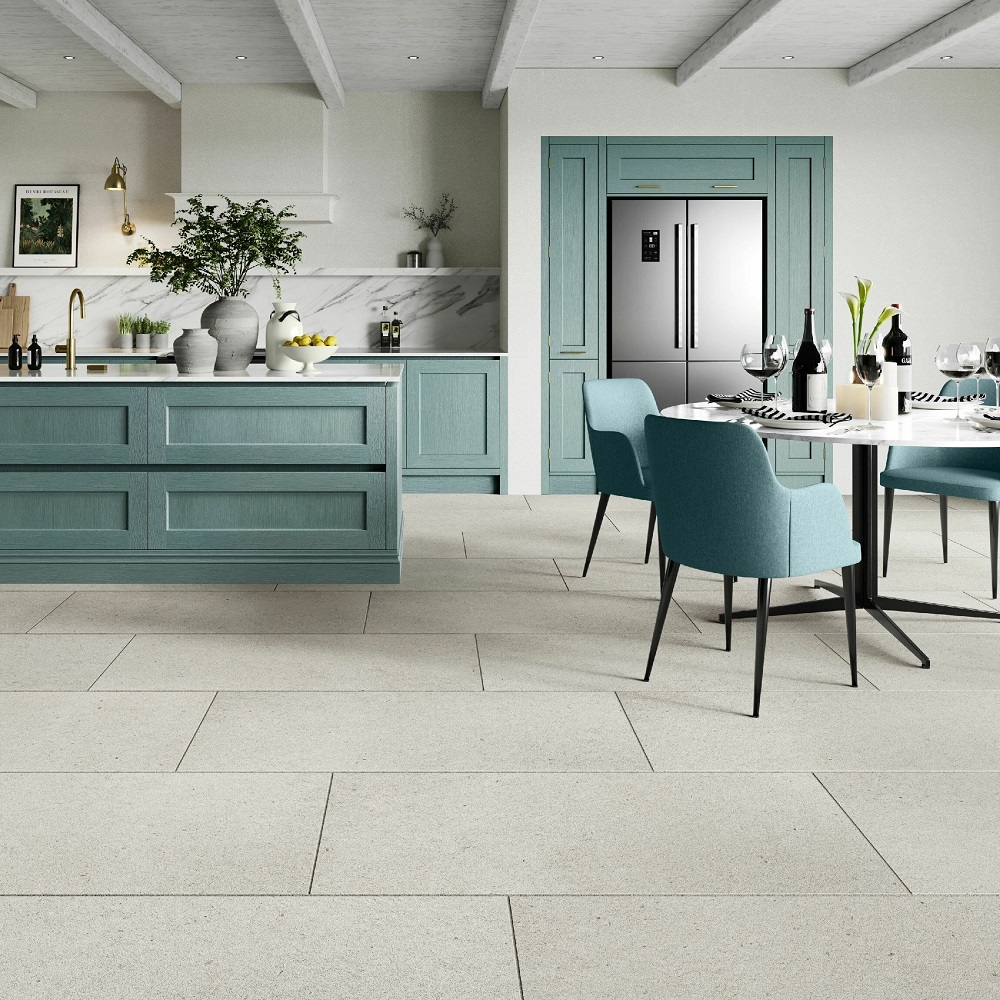
Most people try to find inspiration first by scrolling through Pinterest or flipping through magazines for all the cool features. The beautiful backsplash. The stunning lighting. The open shelves every person seems to have now. But more times than not, all they get is a space that photographs beautifully but ultimately does not function better than what they had previously.
What differentiates a renovation that merely looks nice from one that actually improves how you live is intentionality behind various choices that are not merely aesthetic—like getting painfully honest about what is frustrating you in the first place.
Before You Consider Aesthetics, Consider What’s Bugging You
Before any talk of tile or cabinet selection, it’s time to take two weeks’ worth of observation to note what’s not working in your space.
Where do things collect? Where do you get frustrated enough to curse under your breath every morning? Is it the kitchen that no one can navigate in the morning because it becomes too cramped with insufficient counter space and people simultaneously trying to grab coffee and pack lunches? Is it how everyone blocks each other in the bathroom as one runs a comb through their hair and another is brushing their teeth? Is it how the laundry room is only big enough to hold the baskets, meaning clothes are in limbo at all times instead of in drawers or on hangers?
These are not glamorous reasons. No one pins “more streamlined laundry process” to their Pinterest board. But these are the reasons renovations are worth the disruption and the money.
Compile a comprehensive list of everything that’s bothering you, even the little issues. Sometimes the little issues culminate in top quality of life improvements. The awkward corner that no one ever wants to approach. The terrible lighting that’s never appropriate when prepping dinner. The absence of an adequate charging station that results in cheap extension cords bracing the countertops.
Rethink Your Actual Use
This is usually where people jump ahead too fast. They know they want a new kitchen or bathroom but fail to map out how they function throughout the day.
Take the kitchen, for example. If someone meal preps on a Sunday, their storage/counter combination will differ from the person who throws together a quick meal three nights a week. If multiple people cook simultaneously, traffic flow will matter much more than if one individual preps most dinners and clears away for anyone else attempting to help. If there are small children who require supervision during cooking times, the sight lines into the living room may be the most critical design consideration.
The same applies to bathrooms. If one person gets up 15 minutes earlier than their partner, they may each have separate needs than a couple who fights over mirror space at 7am on a Tuesday morning. If there are teenagers, a double vanity may be the only thing keeping anyone sane.
Working with industry professionals sensitive to these qualifications makes all the difference. A renovation company like Veejay’s Renovations, prioritizes developing spaces that are well-designed based on how people live as opposed to looking for the latest trends that only look good on paper.
Storage Isn’t Just “More Storage”
Everyone says they want more storage but “more storage” without consideration of what is being stored is how people wind up with beautiful cabinetry with wasted space.
Take inventory of what you need to store ahead of your meeting. In kitchens, that means appliances, cooking apparatuses, food storage, and cleaning supplies. How many of each? Where do you want them accessible? The crockpot you use once a week will have a vastly different home than the turkey roaster you use twice a year.
In bathrooms, keep in mind towels, toiletries, cleaning solutions, hair appliances and medications (if any). When multiple people use the bathroom (and every bathroom should be shared), it needs to be compartmentalized or else things will get out of hand fast.
The best options come from creative storage that incorporates your things—not generic cabinetry layouts that look nice but don’t house what you own.
Prevention OVER Aesthetic Trends
Open shelving looks awesome until everything looks like everything all the time unless you’re super organized and perfectly dust your dishes all day every day—and don’t get started about maintaining cleanliness.
Those gigantic walk-in showers without a threshold—or any door—look great…but can create water issues depending on your showering habits.
Concrete countertops ARE beautiful—but need to be sealed at least once a year—and cared for carefully. White grout IS gorgeous until you realize how often you’ll be scrubbing it in six months.
None of these attributes mean you can’t have them; it means that it’s better to understand the maintenance required and validate whether you’re up for the challenge. These assessments create renovations that improve daily life AND check off aesthetic boxes.
Keep Options Open
What works for you now may not work for you in five or ten years’ time. Children grow up with different requirements as work schedules emerge and physical bodies age and become more accessible.
Wherever possible, create flexibility. An extra-wide doorway will not cost much more; backing for grab bars will be cheaper installed during construction than added later; electrical outlets will prevent you from being wed to certain furniture designs if they exist beforehand.
This doesn’t mean that you should design for all scenarios but instead that some decisions can be made for minimal financial consequence that’ll keep options open.
Costs Will Rise
And finally, let’s get real—virtually every renovation will cost more than originally planned unless things go perfectly according to plan which hardly happens with older homes filled with mysteries behind walls.
It’s not that contractors are necessarily trying to swindle you; it’s that once walls come down, plumbing needs to be updated, electrical needs to be replaced due to code perimeters…and no one sees this stuff ahead of time without x-ray vision!
Always include a contingency budget; most professionals recommend anywhere from 10-20% from your quoted prices and that’s not to be pessimistic; that’s how renovations go!
Realize what’s important—but what’s most important—and what’s an absolute necessity versus something you’d like but could always upgrade later on. Getting correct layout and functionality from day one is essential; getting upgraded finishes can always happen after inspection.
The renovations people boast about years down the line aren’t always with the fanciest finishes; they’re the solutions to concrete problems no one anticipated that helped each and everyone one of them live better lives—and that’s worth any trendy backsplash.