


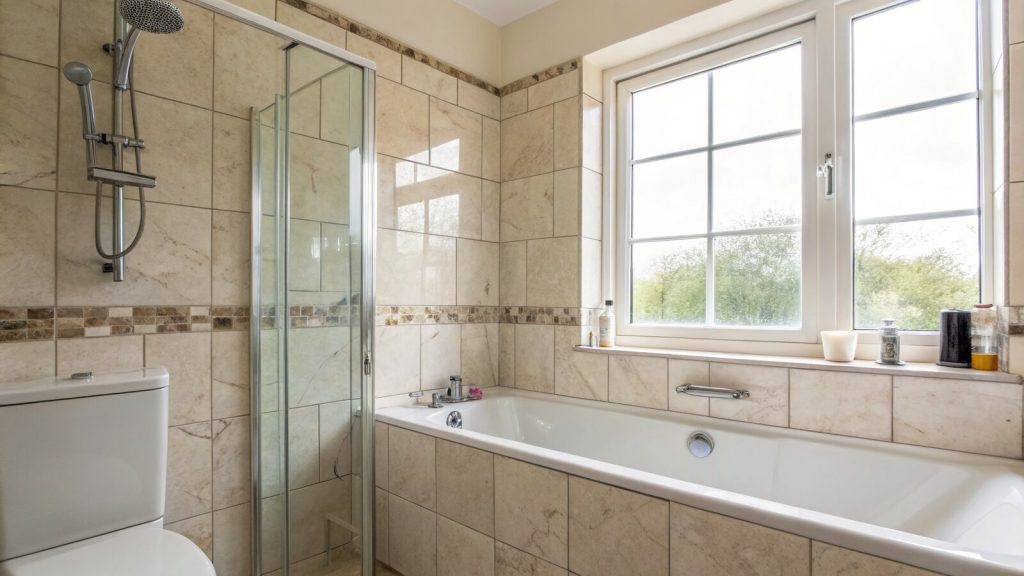
Every week someone in Bromley or south east London asks us the same thing: should they tile the bathroom or use wall panels? We fit both, so we have no reason to push you one way. The honest answer is that each suits a different job, budget and timescale. This guide sets out how tiling and bathroom wall panels actually compare on installation, waterproofing, cost, durability, looks, cleaning, repairs and resale, so you can pick the right one for your room rather than the one a single shop happens to sell.
By tiling we mean ceramic or porcelain tiles bedded in adhesive and grouted. By wall panels we mean the modern sheet products that go over the wall in large sections: PVC (the lightweight hollow or solid plastic boards), laminate (a decorative surface over a core), and acrylic (high gloss sheets often used to mimic glass or marble). They are sometimes sold as shower panels, bathroom cladding or wet wall.
How each one is installed
Tiling is a wet trade with several stages. The wall has to be flat, sound and prepared, the tiles are set in adhesive with spacers, left to cure, then grouted and sealed at the edges with sanitary silicone. A full bathroom can take a skilled tiler several days once cutting around the basin, toilet, pipes and window reveals is factored in. The finish is only as good as the preparation underneath, which is where standards matter.
Wall panels are a dry trade. The sheets are cut to size, bonded to a flat wall with grab adhesive, joined with tongue and groove or trim sections, then sealed at internal corners and the bath or tray with silicone. Because there is no curing, grouting or individual cutting of small pieces, a shower enclosure or a single wall can often be panelled in a day. That speed is the single biggest reason people choose panels.
One thing both share: the wall behind has to be flat. Panels do not hide a wavy or out of true wall any better than large format tiles do. If anything, a high gloss acrylic sheet shows up dips and lumps more than a textured tile because light skims across it.
Substrate and waterproofing in wet zones
This is the part most homeowners never see and the part that decides whether a bathroom lasts. In genuine wet zones, the inside of a shower, around a bath, or a whole wet room floor, the surface you can see is not the waterproof layer. The waterproofing sits behind it.
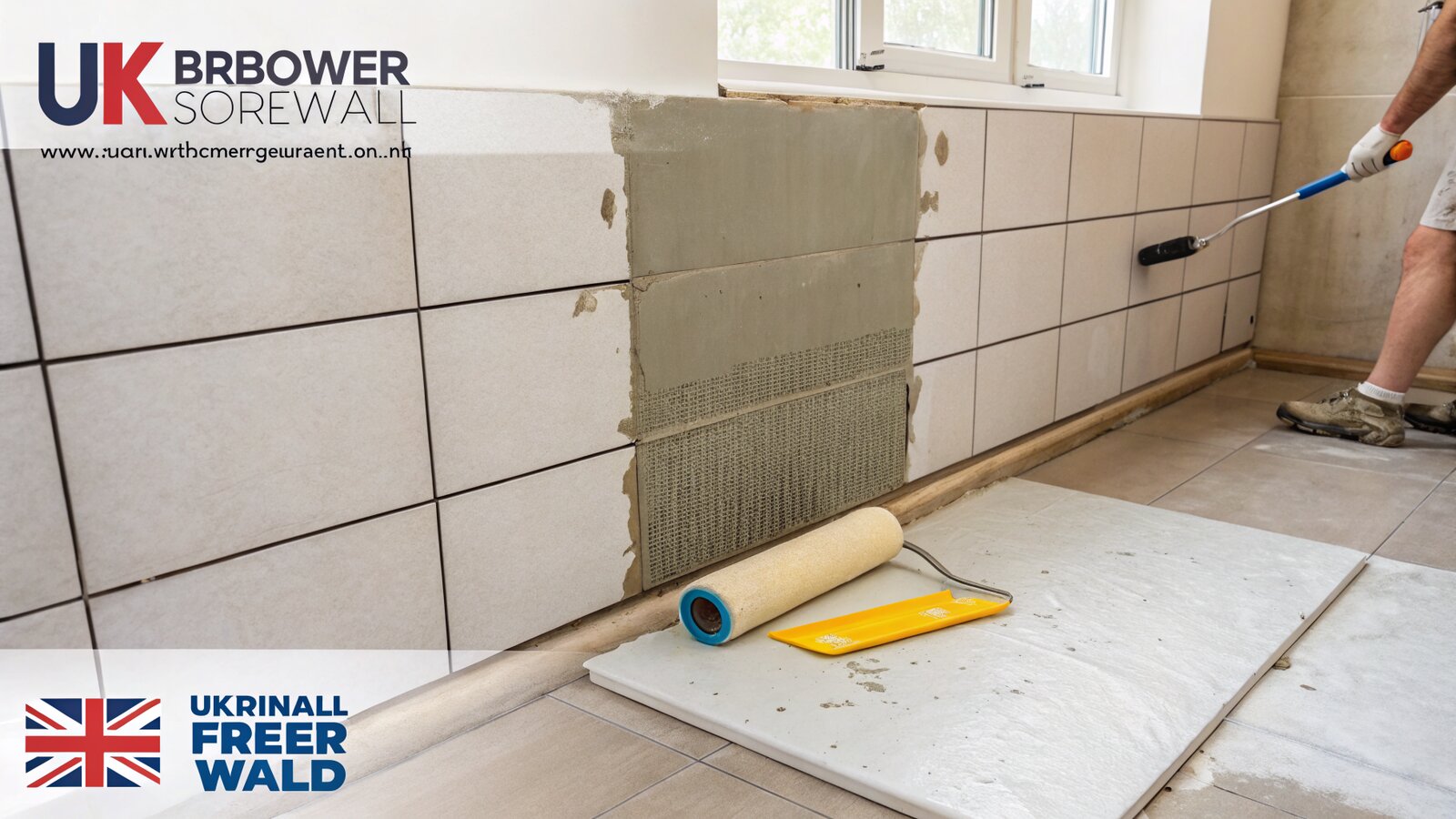
For tiling, the British Standard for wall and floor tiling is the BS 5385 series, published by the British Standards Institution and used across the trade as the code of practice. The guidance points strongly towards tanking wet areas before tiling, using a proprietary tanking membrane, and away from unsuitable backgrounds such as standard plasterboard and plywood in showers and wet rooms. In practice a good tiler will use a cement based or foam cored tile backer board in the shower and apply a liquid or sheet tanking membrane, so that even if water passes the grout it is stopped before it reaches the structure. You can read the official scope of the standard on the BSI BS 5385 series page. Tile failures and debonding behind a bath have long been one of the more common bathroom insurance claims, and almost always trace back to the substrate, not the tile itself.
Panels behave differently. A correctly fitted PVC or solid acrylic panel is itself a waterproof sheet, so the joints and silicone seals do the work rather than a grout line every few centimetres. That is a real advantage in a shower if the fitting is clean. The catch is the core: laminate panels with a wood based core can swell and fail if water gets behind a poorly sealed edge, so they are better kept out of the direct shower spray and used on drier walls. Whichever you pick, the wall still needs to be sound, and a panel fitted over damp or crumbling plaster will fail just as a tile would.
Upfront cost drivers
We avoid quoting fixed figures because they move with the room, but the cost drivers are easy to lay out.
- Labour and time: panels usually win on the day rate because they go up far faster, especially in a shower enclosure. Tiling is more hours of skilled work.
- Materials: PVC tends to be the cheapest surface, laminate sits in the middle, and acrylic is the premium panel option. Ceramic tiles can be very affordable, while large porcelain and natural stone climb quickly.
- Preparation: tanking, backer boards and levelling add to a tiled job but protect it. Panels still need a flat, sound wall, so do not assume zero prep.
- Wastage and offcuts: intricate tile layouts and cuts create more waste; large panels can waste a sheet if the room awkwardly exceeds a standard size.
As a rough rule, panelling a single shower wall or a compact enclosure is often the cheaper and quicker route, while a fully tiled bathroom costs more upfront and rewards you over time.
Durability and repairability
Well laid porcelain tiling is one of the longest lasting surfaces you can put in a home. The tile face is extremely hard, colour fast and unbothered by heat or sunlight, and a properly tanked installation can comfortably last decades. The weak point is the grout and silicone, which need occasional attention rather than wholesale replacement. A single cracked tile can sometimes be cut out and replaced if you kept a few spares from the original batch, though matching discontinued ranges years later is the difficulty.
Quality panels are durable too, but in a different way. They will not crack like a dropped tile and they are warm to the touch, yet the surface can scratch or scuff, gloss acrylic shows fine marks, and a cheaper PVC board can dent if knocked. Lifespan is good but generally shorter than a sound tiled wall, and panels are more sensitive to being fitted well in the first place. Damage to one sheet usually means replacing the whole panel, though that swap is quick and dry. Keeping a small amount of leftover material at the end of any job is worth doing either way.
Looks and design range
Tiling has by far the wider design range. Sizes from small mosaics to large format slabs, textures, real stone, patterned encaustic looks, bespoke borders, niches and feature walls are all possible, and you can mix and match across one room. For a period property in this part of London, traditional metro or geometric tiling often suits the house in a way panels cannot match.
Panels have come a long way and many now convincingly imitate marble, concrete and even tile effect with a fine printed grout line. The look is clean, modern and continuous with no real grout to interrupt it, which some people much prefer. Where panels lose out is bespoke detail and the depth of a genuine textured or natural material. If you want a one off design or a true stone finish, tiling is the route.
Cleaning, grout and maintenance
This is where panels score their clearest everyday win. A panelled shower is a near continuous surface, so there is little or no grout to discolour and a wipe down keeps it looking fresh. Grout is the most common complaint we hear about tiled bathrooms: over years it can stain, and in a neglected shower it can harbour mould.
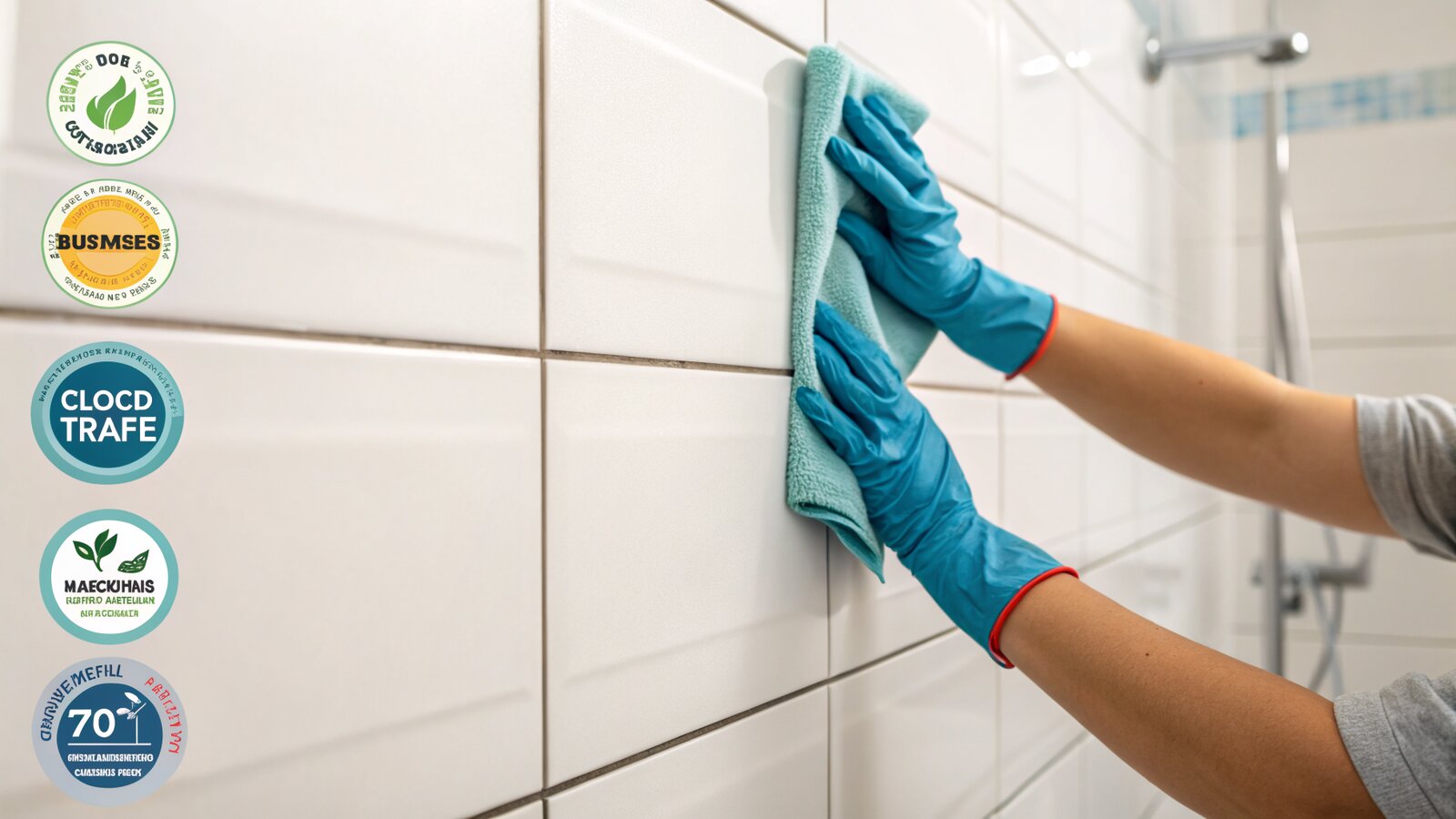
Even so, good grout looked after sensibly is not the chore it is made out to be. A quality grout, sealed where appropriate, ventilation in the room, and the occasional clean keep it sound. Silicone at the joints is the part that ages fastest on both systems and should be raked out and renewed every few years regardless of which surface you chose. Panels reduce maintenance, they do not remove it.
Resale appeal
For most UK buyers, a well tiled bathroom reads as a quality, permanent finish and tends to support the value of the home, particularly in family houses and period properties. Tiling rarely looks cheap when done properly. Panels are widely accepted and a clean panelled shower looks modern, but at the higher end of the market a fully tiled bathroom usually carries more weight with buyers and surveyors. If you are improving a long term home, that perception is worth bearing in mind.
Which wins for which situation
Here is how we actually advise people, having fitted both across south east London. You can talk any of this through with us via the Bromley Tilers homepage.
- Choose wall panels when you want a shower enclosure done fast, you are refurbishing a rental or preparing a property to let or sell quickly, you dislike grout, or the budget and timescale are tight. PVC or solid acrylic in the shower, with care over the joints, is a sensible, low fuss result.
- Choose tiling when you are fitting out a full bathroom for the long term, you want bespoke design, real stone or a heritage look, you are tiling the floor (where tile is the stronger choice), or you want the finish that best holds value at resale. Insist on a properly tanked substrate to BS 5385 in the wet zones.
Plenty of bathrooms end up mixing the two: panels in the shower for speed and a clean wet seal, tiles on the floor and across the rest of the room for design and durability. There is nothing wrong with that, and it often gives the best of both.
Frequently asked questions
Are bathroom wall panels actually more waterproof than tiles?
A correctly fitted PVC or solid acrylic panel is a single waterproof sheet, so it has fewer joints than a tiled wall full of grout lines. But a tiled wall tanked behind the tiles to BS 5385 guidance is equally watertight, because the membrane stops water before it reaches the structure. The deciding factor with both is the quality of the fitting and seals, not the material on its own.
Can you put wall panels straight over old tiles?
Sometimes, if the existing tiles are sound, flat and well bonded, panels can be fitted over them, which saves the mess of removal. We always check the wall first, because a panel fitted over loose or uneven tiles will not sit flat and the bond can fail. Where the old surface is poor, taking it back and starting clean is safer.
Do wall panels meet British Standards like tiling does?
Tiling is covered by the BS 5385 series, a recognised code of practice for wall and floor tiling. Panels are manufactured products fitted to the maker’s instructions rather than to a single tiling code, so quality depends on choosing a reputable panel and following the fitting guidance closely. Both can give a compliant, durable result when done by someone who knows the wet zone rules.
Which is cheaper, tiling or panels?
For a shower enclosure or a single wall, panels are usually cheaper and quicker because there is far less labour and no grouting. For a whole bathroom the gap narrows, and a tiled room is generally a bigger upfront cost that tends to last longer and support resale value. The right choice depends on the room, the materials and how long you plan to stay.
Will panels date faster than tiles?
Classic tile choices such as plain porcelain or metro tiles age slowly and stay desirable. Some high gloss panel finishes can look more of their moment, though many modern marble and stone effect panels are restrained and wear well. If you want a finish you will not feel the need to change in ten years, neutral tiling is the safer long term bet.
Is grout really that much hassle to maintain?
Less than its reputation suggests. With good ventilation, a quality grout and the occasional clean, grout stays sound for years. The silicone at the joints ages faster and should be renewed every few years on both tiled and panelled bathrooms. Panels reduce cleaning because there is little grout to discolour, but they still need their seals maintained.
Related guides
- How to Tile a Bathroom Wall: A UK Step-by-Step Guide
- How Much Does Tiling Cost in the UK? A Realistic Price Guide
- How to Remove Old Wall Tiles Without Damaging the Wall
- Porcelain vs Ceramic Tiles: Which Is Right for Your Bathroom or Kitchen?
- How to Tank and Waterproof a Wet Room Before Tiling: A Bromley Homeowner’s Guide
- Do You Need to Seal Natural Stone Tiles Before Grouting? A Tiler Explains
- How to Tile a Bathroom Floor (Including Around the Toilet)
- How to Tile a Shower: Walls, Niche and Waterproofing
- Construction Trade News: June 2026
- Bathroom Tiling Guide: How to Plan, Prep and Finish a Lasting Job
- Tile Backer Board vs Plasterboard for Bathrooms
- Best Tiles for Small Bathrooms (and How to Make a Space Look Bigger)
- Wall and Floor Tiles for a Wet Room: What Actually Works
- Do You Tile the Floor or Walls First in a Bathroom?
- Tiling and Bathroom Trade News: Mid-June 2026
- Kitchen Tiling: Splashbacks, Walls and Floors Explained
- How to Tile a Kitchen Splashback: Step-by-Step Bromley Guide
- How to Tile Around Kitchen Sockets, Switches and Worktops
- Kitchen Splashback Tile Ideas: 12 Looks That Work
- Tiling and Bathroom Trade News: Late June 2026
- How to Lay Metro Tiles in a Herringbone Pattern
- Tiled vs Glass Splashback (and Acrylic): Which Is Best?
- How High Should a Kitchen Splashback Be Tiled? UK Heights Guide
- Tiling and Bathroom Trade News: Early July 2026
- Types of Tiles: The Complete UK Buyer’s Guide
- Porcelain vs Natural Stone Tiles: Which Should You Choose?
- Natural Stone Tiles Explained: Marble, Travertine, Slate and Limestone
- Tiling and Bathroom Trade News: Mid-July 2026
- Mosaic Tiles: Where to Use Them and How They’re Fixed
- Tile Slip Ratings Explained: R Ratings and PTV for UK Floors
- Matt vs Gloss Tiles: Which Finish Is Right for Your Room?
- Cost to Tile a Bathroom in the UK: 2026 Price Breakdown
- Polystyrene Ceiling Tiles: Are They Any Good?
- Cost to Tile a Kitchen in 2026: Floor and Splashback Prices
- Tiling and Bathroom Trade News: Mid-July 2026
- Tiling Cost Per Square Metre 2026: Labour and All-In Prices
- Tiler Day Rate UK: What Tilers Charge Per Day in 2026
- Cost to Regrout a Bathroom in 2026: UK Prices Explained
- Floor Tile Prices UK 2026: What You Will Pay Per Square Metre
- Is It Cheaper to Tile or Use Wall Panels? A UK Cost Comparison
- How to Tile: A Complete Beginner’s Guide (UK)
- How to Cut Tiles: Manual Cutter, Wet Saw and Nippers
- How to Cut Holes in Tiles for Pipes and Taps
- How to Grout Tiles (and Get Clean, Even Lines)
- Cork Flooring: Pros, Cons and Where It Works in UK Homes
- Tiling and Bathroom Trade News: Late July 2026
- How to Mix and Apply Tile Adhesive Correctly
- How to Set Out Tiles for a Perfect Layout
- How to Seal Grout and Tiles in a Bathroom (UK Guide)
- Can You Tile Over Tiles? When It Works and When It Doesn’t
- Tiling Tools List: What You Need for a Professional Finish
- How Much Tile Adhesive Do I Need? Coverage Per Square Metre
- Tiling Trade News: Topps App, Costs Up 6% (Aug 2026)
- Tile Problems: 9 Common Faults and How to Fix Each
- How to Fix Loose Tiles Without Removing Them
- Cracked Grout Repair: Why It Happens and How to Fix It
- Tiling Trade News: TTA Silica Warning, 2% Retentions
- How to Replace a Broken Tile Without Redoing the Wall
- Water Leaking Through Shower Tiles: 6 Causes and Fixes
- Remove Mouldy Silicone Sealant: A 24-Hour Reseal Job
- How to Clean Grout: What Works, and What Etches Stone
- Why Are My Floor Tiles Lifting? The 40m² Bay Rule
- Tiling Trade News: 3,841 Construction Firms Failed
- How to Lay Porcelain Paving: 1:80 Fall, 150mm Below DPC
- Tile Patterns: Why Big Tiles Need a One-Third Offset
- Grout Colour Ideas: How to Get the Shade You Chose
- Can You Paint Tiles? Yes on Walls, No in the Shower
- Decoupling Membrane for Tiles: When You Actually Need One
- Can You Tile Over a Wooden Floor? What Changed in 2024
- Tiling Cost 2026: £25 to £95 per m² Labour, UK Rates
- Tile Ideas: 7 Looks and the One Rule Each Needs
- Metro Tiles: Sizes, Bevels and the 1/3 Offset Rule
- Tile Feature Wall: The Weight Limit That Decides Yours
- Tiling Over Underfloor Heating: 14 Days Before Heat On
- How to Tile a Hallway Floor: Set Out From the Door
- Wood Effect Tiles and Marble Effect: 5 Specs to Check
- Tile Levelling Systems: The 3mm Rule That Decides It
- Tiling Trade News: Repair Work Up 1.7%, Headlam Fails
- Floor Levelling Compound: How Deep and How Long to Dry
- How to Find a Good Tiler: 9 Checks Before You Book
- Tiling Quote: The 10 Lines a Proper One Must Show
- Tile Trim: Sizes, Profiles and the One-Size-Up Rule
- Tile Spacers: 2mm or 3mm, and When to Pull Them Out
- Tiling the Fireplace: 125mm Hearths, Adhesive and Tiles
- Tiling Trade News: Shaws Sinks Reprice on 1 November
- Porcelain vs Stone Paving: Grip, Sealing and Upkeep
- Tiling a Large Floor: Movement Joints Every 10 Metres
- DIY Tiling vs Professional: 6 Jobs to Never Do Yourself
- Terracotta Tiles: Seal Before Grouting, Wait 7 Days
- Tile Drill Bits: Which Bit Won’t Crack Porcelain
- Tiling Corners With Trim: Which Profile, and When to Mitre
- Travertine Tiles: Filled or Unfilled, and How to Seal Them
- Slate Tiles: Calibrated or Riven, and How to Lay Them
- Zellige Tiles: Order 15% Extra and Fix Them Edge to Edge
- Terrazzo Tiles: Real 20mm vs Porcelain, Seal Before Grouting
- Tiling Trade News: 36% Now Add a Bathroom Accent Wall
- Split Face Tiles: Will Your Wall Take 27kg per m²?
- Tile Sealer: Which Tiles Need It and Which Type to Buy
- How to Remove Grout Haze: Which Cleaner for Which Grout
- Efflorescence on Tiles: Why It Comes Back and How to Stop It
- Tile Primer: Which Surfaces Need It and How Much to Dilute
- Epoxy Grout: Where It’s Worth It and How to Apply It
- How to Tile Stairs: Keep Every Riser the Same Height
- Shower Niche: Sizes, Height and Which Wall Can Take One
- How Many Tiles Do I Need? Add 10% to 20% by Layout
- How to Tile a Window Sill: Sill Last, Silicone at the Frame
- Tiling Trade News: Victorian Plumbing Tile Sales Up 76%
- How to Tile Around a Toilet: Lift the Pan or Cut Round It
- Tile to Carpet Transition: Pick the Strip by the Height Gap
- Tile Skirting: Leave a 6mm Gap and Seal, Never Grout
- Tile Backer Board: Cement or Foam, Which Thickness, Fixings
- Quarry Tiles: Seal Them or Not, and How to Clean Them
- Rapid Set Tile Adhesive vs Standard: 30 Mins or 24 Hours