


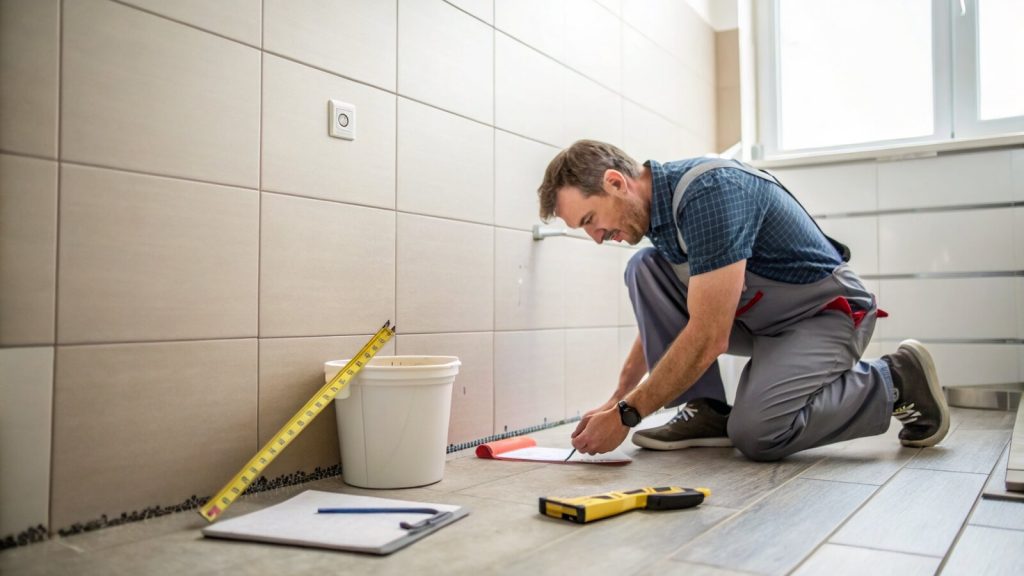
As a rough guide, most UK tiling jobs come to somewhere around £80 to £130 per square metre all in, covering tiles, adhesive, grout and labour. Basic ceramic sits at the lower end. Porcelain, large-format and natural stone push you towards the top.
If you only want the labour figure, the part a tiler quotes, expect roughly:
- Wall tiling: about £25 to £50 per m²
- Floor tiling: about £30 to £60 per m² (floors usually cost a little more than walls)
- Large-format tiles (600 x 600mm and up): about £40 to £70 per m² labour
One thing to flag straight away: these are national averages. In London and the South-East, including Bromley and the rest of Kent, you should add roughly 20 to 30 percent. Costs run higher here for the same reasons everything does, so plan for the upper end of each range rather than the middle. All the figures below are approximate and will vary by tile choice, prep and the state of your walls and floors, so treat them as a budgeting guide, not a fixed price.
What you are actually paying for
A tiling price has three parts: the tiles, the materials that fix them in place, and the labour. Understanding the split makes any quote far easier to read.
Labour
Most tilers price small jobs (under about 10m²) on a day rate and larger areas per square metre. A typical day rate runs £150 to £300, most commonly £180 to £280, with London and the South-East at the top, often £200 to £250 a day or more. By the hour, you are looking at roughly £20 to £40, nearer £35 in London.
It helps to know how much gets done in a day. A tiler will usually fit around 5 to 8m² of wall or 4 to 6m² of floor in a day. Mosaics and patterns are a lot slower, which is part of why they cost more.
Materials
The fixing materials are a smaller line than people expect. As a rough rule, adhesive and grout add in the region of £10 per m² on top of the tiles themselves.
- Adhesive: around £20 a bag covering roughly 5m². Ready-mixed tubs cost a bit more. Floors and large tiles need a stronger flexible or rapid-set adhesive, which costs more. Brands like BAL, Mapei and Weber are the standard choices.
- Grout: around £15 to £20 a bag, covering roughly 10 to 15m². Epoxy grout, used in wet rooms and premium jobs, costs considerably more.
- Trims and edging: around £5 to £15 each. Plastic is cheapest; aluminium, chrome and brass cost more.
The tiles
Tiles vary more than anything else, so this is where your budget really moves. The figures below are approximate, for the tiles only:
| Tile type | Approx cost per m² (tiles only) |
|---|---|
| Ceramic | £12 to £50 |
| Porcelain | £50 to £100 |
| Slate | £40 to £60 |
| Marble | £40 to £70 |
| Limestone | £50 to £80 |
| Granite | £80 and up |
Always buy 10 to 15 percent extra for cuts, waste and the odd breakage. People forget this when budgeting and then run short halfway through, which can mean a fresh delivery and a colour batch that does not quite match.
What it costs by job
A full bathroom (walls and floor)
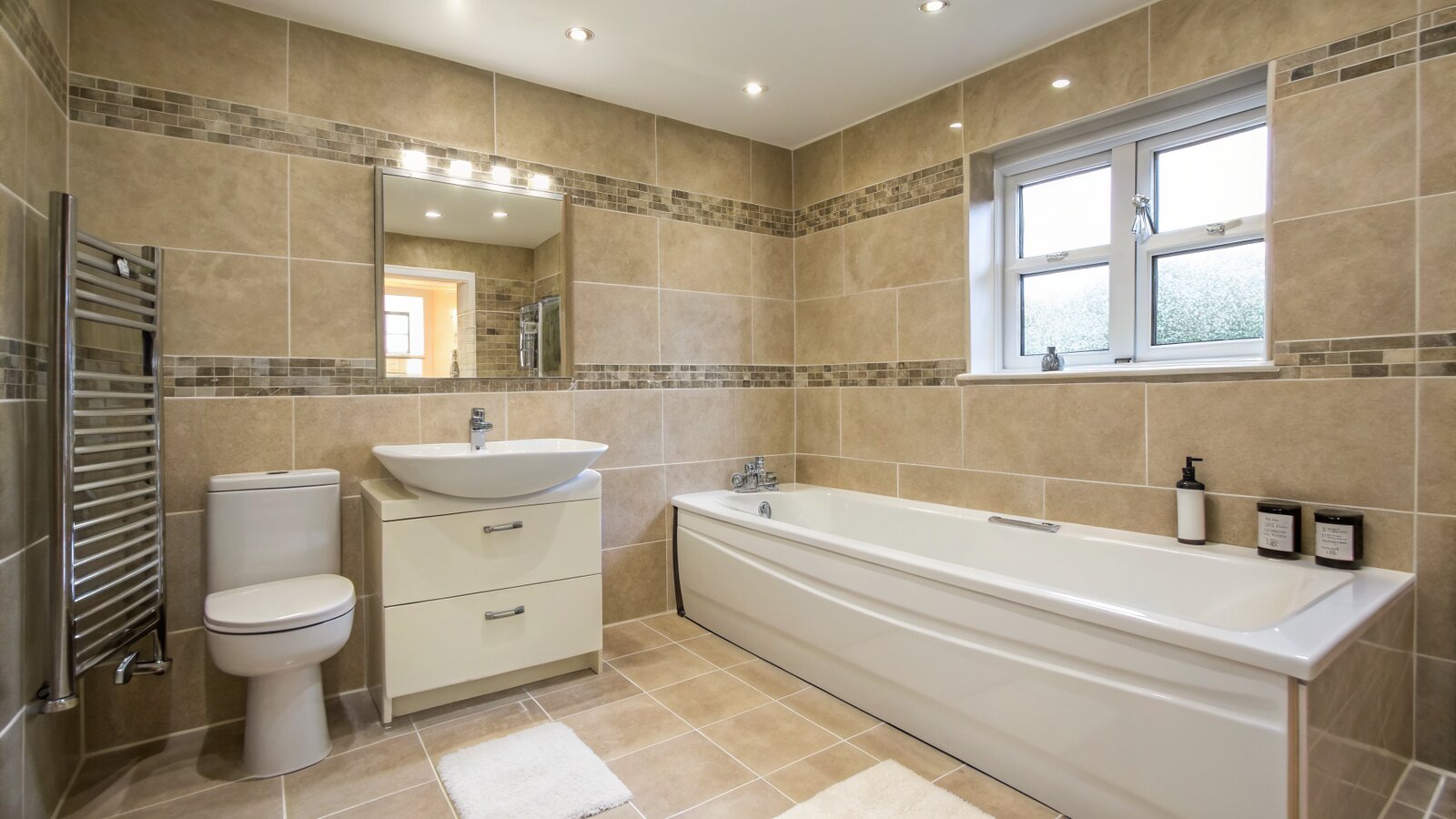
For a standard small bathroom with mid-range tiles, around 5m² of walls and 4m² of floor, a national figure is roughly £1,300 to £1,900. In London and the South-East that becomes more like £1,800 to £2,600. Simpler jobs with budget tiles can come in around £800 to £1,200; the range mainly reflects tile choice and how much prep the room needs. A bathroom usually takes 2 to 4 days.
Kitchen splashback
A splashback is a small area but fiddly, with cuts around sockets, switches and the edge of the worktop. All in, expect roughly £150 to £500, with materials around £75 to £200 and the rest labour.
Kitchen or other floor
A floor is priced as a floor job, so roughly £30 to £60 per m² labour plus the tiles. Large open floors are the best value per square metre because there are fewer cuts and large-format porcelain goes down efficiently. Budget for self-levelling compound if the subfloor is uneven, as most are.
Wet room
A wet room costs more than a standard bathroom because of the waterproofing underneath the tiles. A tanking (waterproofing) kit is around £130 to £180, and a pre-formed shower former or tray sits at roughly £450 to £550. Applying the membrane and forming the sloped screed to the drain both add labour, so a wet room is a project-specific price rather than a simple per-m² figure. For anything this dependent on a watertight finish, it is worth getting a professional tiler to look at the room and quote properly.
What pushes the price up
If a quote looks higher than the headline ranges, one of these is usually why:
- Removing old tiles. Stripping out existing tiles typically adds £150 to £400 or so, roughly £3 to £8 per m², plus a bit for waste disposal. It costs more if plasterboard pulls away with the tiles and the wall needs re-boarding or skimming. Poor existing surfaces can add a fair bit to the whole job. Stripping the tiles yourself first can save around half a day’s labour.
- Surface prep. Walls that are not sound may need skimming or tile backer board (around £8 to £15 per m²). Uneven floors need levelling compound. Good prep is not optional; tiles laid over a bad surface fail.
- Tile size and type. Very small (mosaic) and very large (large-format) tiles both slow the work down. Large tiles need two people, stronger adhesive and special tools. Natural stone needs careful handling and sealing.
- Pattern. Herringbone, brick-bond and diagonal layouts mean more cuts and more time, so they carry a noticeable labour premium over a straight layout.
- Small or awkward rooms. A small bathroom has more cuts per square metre than a big open floor, so it costs more per m², not less. This surprises people.
- Wet-room tanking. As above, the waterproofing kit and the extra labour to apply it add to the total.
Outdoor work such as patios and porcelain paving is priced differently again, so if that is what you need, see our notes on external tiling in Bromley rather than these indoor figures.
How to get an accurate quote
The ranges here are for budgeting. The only way to know your real cost is a quote from someone who has seen the room. To get a quote you can rely on, give the tiler:
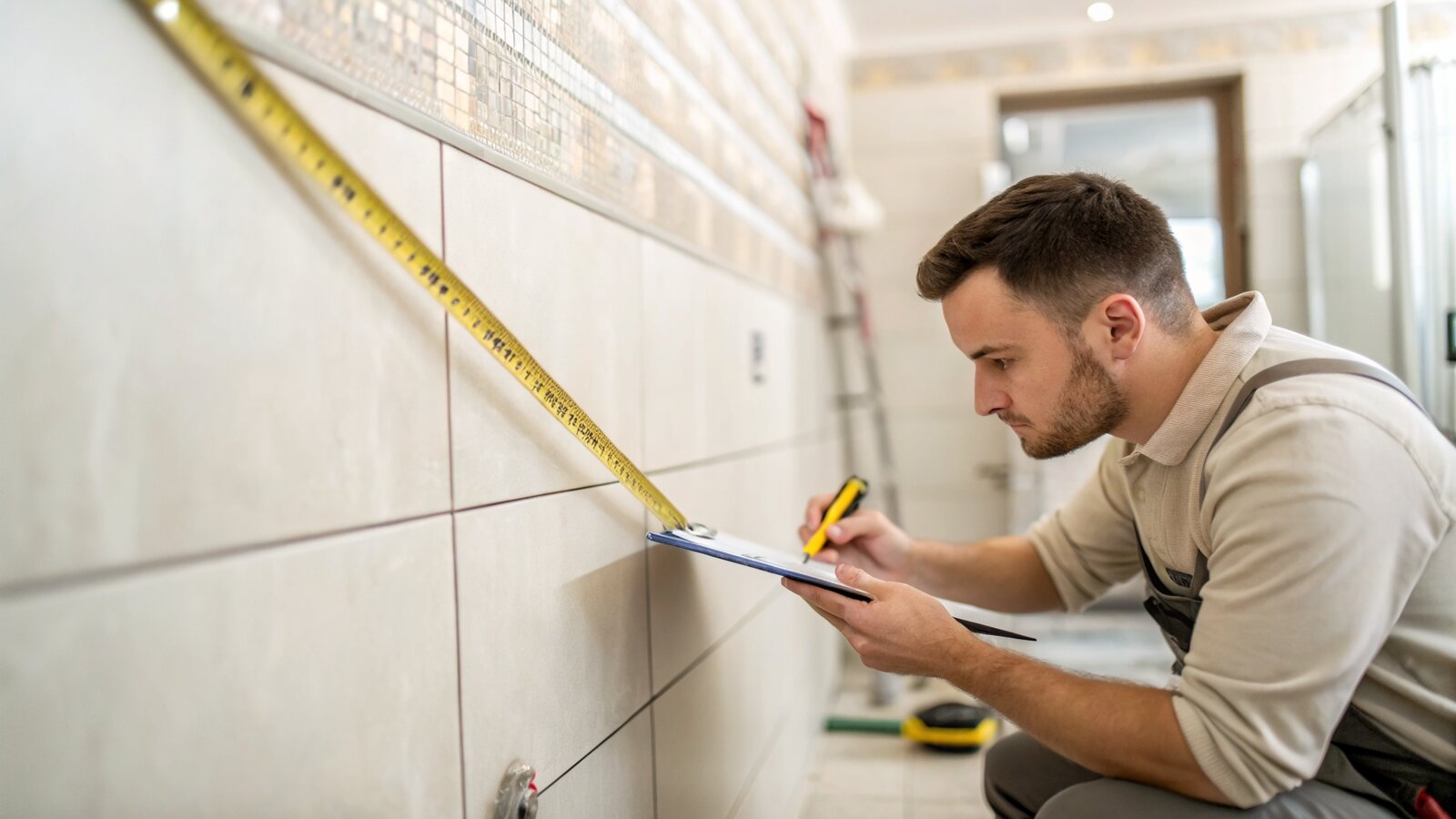
- The room dimensions, or the rough area in m²
- The tile you have chosen, or its type and size if you have not
- Whether there are existing tiles to remove
- The state of the walls and floor (any damp, unevenness or damaged plaster)
- Photos, which save a wasted visit
A proper quote should itemise labour, materials and any removal or prep separately, so you can see where the money goes. If a price is a single lump with no breakdown, ask for one.
Ways to save without cutting corners
- Strip out old tiles yourself if you are confident, saving roughly half a day’s labour. Stop and call a professional if plaster starts coming away with them.
- Choose a porcelain or ceramic that looks like stone instead of real natural stone. You skip the sealing, the slower fitting and the higher tile price.
- Pick a straight layout over herringbone or diagonal. The look is cleaner and you avoid the pattern labour premium.
- Order tiles in one go with the right waste allowance so you avoid a second delivery and a possible batch mismatch.
- Tile a larger continuous area rather than lots of small separate ones where you can. Fewer edges and cuts means a lower cost per m².
- Get the prep right first time. Skipping levelling or proper backer board to save money almost always costs more later when tiles crack or lift.
The biggest false economy is hiring on price alone for a wet room, a large-format floor or natural stone. These are the jobs where experience shows, and a redo costs far more than doing it once properly.
Frequently asked questions
How much does it cost to tile a bathroom in the UK?
A standard small bathroom with mid-range tiles is roughly £1,300 to £1,900 nationally, or about £1,800 to £2,600 in London and the South-East. Budget jobs can land around £800 to £1,200. The range depends mainly on the tiles you pick and how much prep and removal the room needs.
How much do tilers charge per square metre?
Roughly £25 to £50 per m² for walls and £30 to £60 per m² for floors as a labour figure. Large-format tiles run higher, about £40 to £70 per m². Add 20 to 30 percent for the South-East.
What is a tiler’s day rate?
Usually £150 to £300 a day, most often £180 to £280, with London and the South-East at the top end. By the hour it is roughly £20 to £40, nearer £35 in London. Small jobs are typically priced per day, larger ones per square metre.
Does removing old tiles cost extra?
Yes. Removal typically adds £150 to £400, around £3 to £8 per m², plus waste disposal. It costs more if the wall is damaged underneath and needs re-boarding or skimming.
Why is floor tiling more expensive than wall tiling?
Floor tiles are heavier and often larger, the subfloor usually needs levelling, and there tends to be more prep. The adhesive is stronger and dearer too, so floors generally cost a bit more per square metre than walls.
Are large-format or natural-stone tiles dearer to fit?
Both, yes. Large-format tiles need two people, stronger adhesive and special tools. Natural stone needs careful handling and sealing, and works more slowly. Expect higher labour as well as a higher tile price for either.
How much more is tiling in London and the South-East?
Plan for about 20 to 30 percent above national averages. Bromley, Beckenham, Orpington and the wider Kent area sit in this higher-cost band, so quote yourself the upper end of each range.
How long does it take to tile a bathroom?
Around 2 to 4 days for a standard bathroom. Removal, extra prep, mosaics or a complex pattern push it longer. Tanking a wet room adds time on top.
Is it cheaper to tile a bathroom yourself?
DIY saves roughly the labour share of the job, so a fair chunk of the total, though tools and any mistakes eat into that. For wet rooms, large-format tiles and natural stone, it is usually worth paying a professional.
Does the per-m² price include adhesive and grout?
The labour per-m² figure is just for fitting. Adhesive and grout are separate and add roughly £10 per m². Always check whether a quote is labour only or includes materials, as both are common.
How many spare tiles should I order?
Add 10 to 15 percent to your measured area for cuts, waste and breakages. Order it all at once so the colour batch matches; a top-up order later can come from a different batch and look slightly off.
Related guides
- How to Tile a Bathroom Wall: A UK Step-by-Step Guide
- How to Remove Old Wall Tiles Without Damaging the Wall
- Porcelain vs Ceramic Tiles: Which Is Right for Your Bathroom or Kitchen?
- How to Tank and Waterproof a Wet Room Before Tiling: A Bromley Homeowner’s Guide
- Do You Need to Seal Natural Stone Tiles Before Grouting? A Tiler Explains
- How to Tile a Bathroom Floor (Including Around the Toilet)
- How to Tile a Shower: Walls, Niche and Waterproofing
- Construction Trade News: June 2026
- Bathroom Tiling Guide: How to Plan, Prep and Finish a Lasting Job
- Tile Backer Board vs Plasterboard for Bathrooms
- Best Tiles for Small Bathrooms (and How to Make a Space Look Bigger)
- Wall and Floor Tiles for a Wet Room: What Actually Works
- Tiling vs Wall Panels for a Bathroom: Which Is Better?
- Do You Tile the Floor or Walls First in a Bathroom?
- Tiling and Bathroom Trade News: Mid-June 2026
- Kitchen Tiling: Splashbacks, Walls and Floors Explained
- How to Tile a Kitchen Splashback: Step-by-Step Bromley Guide
- How to Tile Around Kitchen Sockets, Switches and Worktops
- Kitchen Splashback Tile Ideas: 12 Looks That Work
- Tiling and Bathroom Trade News: Late June 2026
- How to Lay Metro Tiles in a Herringbone Pattern
- Tiled vs Glass Splashback (and Acrylic): Which Is Best?
- How High Should a Kitchen Splashback Be Tiled? UK Heights Guide
- Tiling and Bathroom Trade News: Early July 2026
- Types of Tiles: The Complete UK Buyer’s Guide
- Porcelain vs Natural Stone Tiles: Which Should You Choose?
- Natural Stone Tiles Explained: Marble, Travertine, Slate and Limestone
- Tiling and Bathroom Trade News: Mid-July 2026
- Mosaic Tiles: Where to Use Them and How They’re Fixed
- Tile Slip Ratings Explained: R Ratings and PTV for UK Floors
- Matt vs Gloss Tiles: Which Finish Is Right for Your Room?
- Cost to Tile a Bathroom in the UK: 2026 Price Breakdown
- Polystyrene Ceiling Tiles: Are They Any Good?
- Cost to Tile a Kitchen in 2026: Floor and Splashback Prices
- Tiling and Bathroom Trade News: Mid-July 2026
- Tiling Cost Per Square Metre 2026: Labour and All-In Prices
- Tiler Day Rate UK: What Tilers Charge Per Day in 2026
- Cost to Regrout a Bathroom in 2026: UK Prices Explained
- Floor Tile Prices UK 2026: What You Will Pay Per Square Metre
- Is It Cheaper to Tile or Use Wall Panels? A UK Cost Comparison
- How to Tile: A Complete Beginner’s Guide (UK)
- How to Cut Tiles: Manual Cutter, Wet Saw and Nippers
- How to Cut Holes in Tiles for Pipes and Taps
- How to Grout Tiles (and Get Clean, Even Lines)
- Cork Flooring: Pros, Cons and Where It Works in UK Homes
- Tiling and Bathroom Trade News: Late July 2026
- How to Mix and Apply Tile Adhesive Correctly
- How to Set Out Tiles for a Perfect Layout
- How to Seal Grout and Tiles in a Bathroom (UK Guide)
- Can You Tile Over Tiles? When It Works and When It Doesn’t
- Tiling Tools List: What You Need for a Professional Finish
- How Much Tile Adhesive Do I Need? Coverage Per Square Metre
- Tiling Trade News: Topps App, Costs Up 6% (Aug 2026)
- Tile Problems: 9 Common Faults and How to Fix Each
- How to Fix Loose Tiles Without Removing Them
- Cracked Grout Repair: Why It Happens and How to Fix It
- Tiling Trade News: TTA Silica Warning, 2% Retentions
- How to Replace a Broken Tile Without Redoing the Wall
- Water Leaking Through Shower Tiles: 6 Causes and Fixes
- Remove Mouldy Silicone Sealant: A 24-Hour Reseal Job
- How to Clean Grout: What Works, and What Etches Stone
- Why Are My Floor Tiles Lifting? The 40m² Bay Rule
- Tiling Trade News: 3,841 Construction Firms Failed
- How to Lay Porcelain Paving: 1:80 Fall, 150mm Below DPC
- Tile Patterns: Why Big Tiles Need a One-Third Offset
- Grout Colour Ideas: How to Get the Shade You Chose
- Can You Paint Tiles? Yes on Walls, No in the Shower
- Decoupling Membrane for Tiles: When You Actually Need One
- Can You Tile Over a Wooden Floor? What Changed in 2024
- Tiling Cost 2026: £25 to £95 per m² Labour, UK Rates
- Tile Ideas: 7 Looks and the One Rule Each Needs
- Metro Tiles: Sizes, Bevels and the 1/3 Offset Rule
- Tile Feature Wall: The Weight Limit That Decides Yours
- Tiling Over Underfloor Heating: 14 Days Before Heat On
- How to Tile a Hallway Floor: Set Out From the Door
- Wood Effect Tiles and Marble Effect: 5 Specs to Check
- Tile Levelling Systems: The 3mm Rule That Decides It
- Tiling Trade News: Repair Work Up 1.7%, Headlam Fails
- Floor Levelling Compound: How Deep and How Long to Dry
- How to Find a Good Tiler: 9 Checks Before You Book
- Tiling Quote: The 10 Lines a Proper One Must Show
- Tile Trim: Sizes, Profiles and the One-Size-Up Rule
- Tile Spacers: 2mm or 3mm, and When to Pull Them Out
- Tiling the Fireplace: 125mm Hearths, Adhesive and Tiles
- Tiling Trade News: Shaws Sinks Reprice on 1 November
- Porcelain vs Stone Paving: Grip, Sealing and Upkeep
- Tiling a Large Floor: Movement Joints Every 10 Metres