


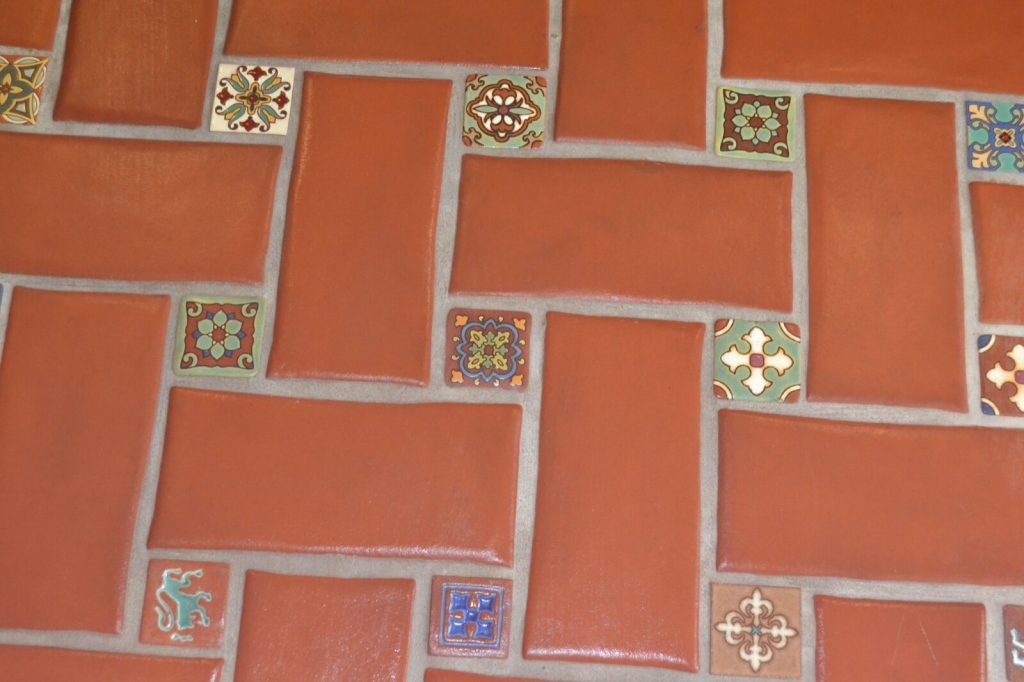
Terracotta tiles are fired clay and nothing else, and that single fact drives every rule that follows. There is no glaze on the face, so the tile takes in whatever touches it: water, grout slurry, cooking oil, even the moisture sitting in the adhesive underneath. Seal a terracotta floor properly and in the right order and it will outlive the kitchen it sits in. Seal it late, or after grouting instead of before, and you spend the next decade looking at grey haze trapped in the pores of a floor you paid a lot for.
Two rules matter more than anything else on this page: seal before you grout, and give the floor at least seven days after fixing before you do either. The rest covers what terracotta is, how it differs from the quarry tiles it gets confused with, and where it earns its place in a British house.
What terracotta tiles actually are
Terracotta is earthenware clay, hand moulded or pushed through a die, then fired at a comparatively low kiln temperature. Nothing is added to the face. The colour is the iron in the clay reacting to the heat, which is why a single pallet runs from pale salmon to deep rust and two tiles from one batch rarely match.
The low firing temperature leaves the body open. Under BS EN 14411, the standard that classifies ceramic tiles, terracotta sits in the highest water absorption group, above 10 per cent by weight: group AIII for extruded tiles, group BIII for dry pressed. Porcelain absorbs 0.5 per cent or less. A porcelain tile ignores a spill for as long as it takes to fetch a cloth; terracotta starts drinking it immediately.
Handmade or machine made, and how to tell
Handmade terracotta is pressed into a mould and dried in the open, so it carries finger marks, rounded edges and variation in thickness. Tiles from one box can differ by several millimetres and some will be bowed. Machine extruded terracotta is consistent in size and depth, sits flatter, and takes a narrower joint.
That changes how the floor is laid, not just how it looks. Fired Earth’s terracotta installation guide, produced with the adhesive manufacturer Mapei, tells fixers to grade tiles by depth first, put the thickest at the lowest point in the floor, and back butter bowed tiles so they bed solidly rather than on air. It also says to shuffle tiles from every box, the easiest way to avoid one patch of floor reading noticeably darker than the rest.
If you want even joints and a floor that reads as one flat plane, buy machine made. If you want the look that makes people ask whether the floor is original, buy handmade and accept wider joints as part of the deal.
Terracotta or quarry tiles
These two get mixed up constantly, including by people selling them, much as fired clay gets shelved alongside the natural stone ranges it has nothing in common with. Terracotta and quarry tile are both unglazed fired clay; the difference is the recipe and the kiln. Quarry tiles are made from natural clays and shale, extruded and fired hotter, producing a denser body with far lower water absorption. That makes them harder, more frost tolerant and better suited to a pub floor or a scullery.
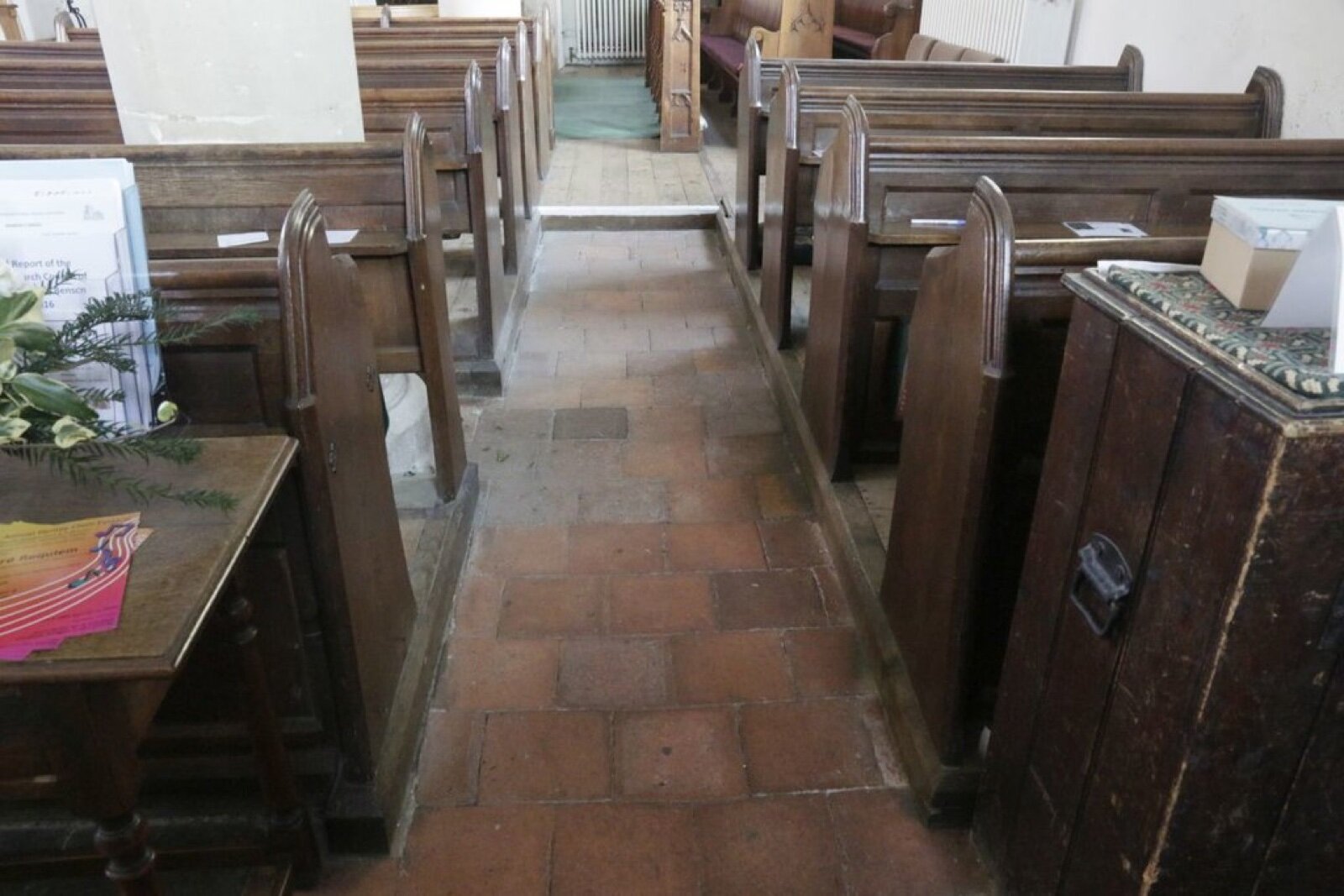
The red and black floors in Victorian hallways, church aisles and old dairies are usually quarry tiles rather than terracotta. Historic quarry tiles were also much thicker than the ones sold now, which matters if you are patching an old floor and need the new pieces to finish level. For a hallway that takes wet boots and a dog, quarry tile is the easier floor to live with. Choose terracotta because you want its colour and texture, then commit to sealing it.
Where terracotta works in a British house
Kitchens, hallways, boot rooms, garden rooms and conservatories are all sound choices, provided the floor is sealed before it sees traffic. Terracotta has real thermal mass, so it holds warmth well, which is part of why it suits rooms with a lot of glass. Bathrooms are possible, but the sealer is doing all of the work and has to be maintained. A shower floor is a poor use of it: you are asking a highly absorbent tile to sit under standing water daily, and slip resistance on a waxed clay tile is not a strong point.
Outdoors is where people get caught. Absorption above 10 per cent means water can sit in the tile, freeze, expand and break it apart. Some terracotta is rated frost proof and some emphatically is not, and the only way to know is the manufacturer’s declared frost resistance for that product. Never assume an internal floor tile will survive a Kent winter on a patio.
Underfloor heating is a good pairing, with conditions. The same Fired Earth guidance says the heating must be commissioned before tiling, then switched off or held at a maximum of 15C while tiling and for at least 14 days afterwards, and only then raised by 5C a day to its working temperature. Skipping that ramp is how a new floor ends up cracked and hollow sounding.
Laying terracotta: what a good job looks like
The substrate decides the outcome. New concrete needs a minimum of six weeks to dry, and a screed on top of it a further three weeks at least, longer in cold or humid conditions. Tile onto a screed that is still shrinking and its cracks become your floor’s cracks. Damp of any kind is fixed first, not tiled over. Beyond that, the points a tiler works to are these:
- Full bed of adhesive, every tile. No spot bedding. Bowed handmade tiles get back buttered so there is no void underneath to crack through later.
- Set out from the middle. Find the centre lines, dry lay against them, and shift the grid so the cuts at the edges are as large and as even as possible.
- Joints of roughly 5mm to 10mm. Handmade tiles of mixed sizes need a dry laid area first to settle on a workable joint width; wide joint grouts will carry considerably more.
- Movement joints. As a general rule, do not tile continuously for more than five metres without one, and always put one in a doorway between two tiled rooms.
- Cut with a diamond blade. Terracotta is thick. A wet cutter or an angle grinder scored two thirds of the way through and snapped is the usual method, with the edge tidied on a sanding block.
- Keep tiles away from direct flame. On a hearth, keep terracotta at least 300mm clear of the main heat source.
Sealing terracotta, and why the order matters
This is the part that decides whether the floor still looks right in ten years. Three rules cover it.
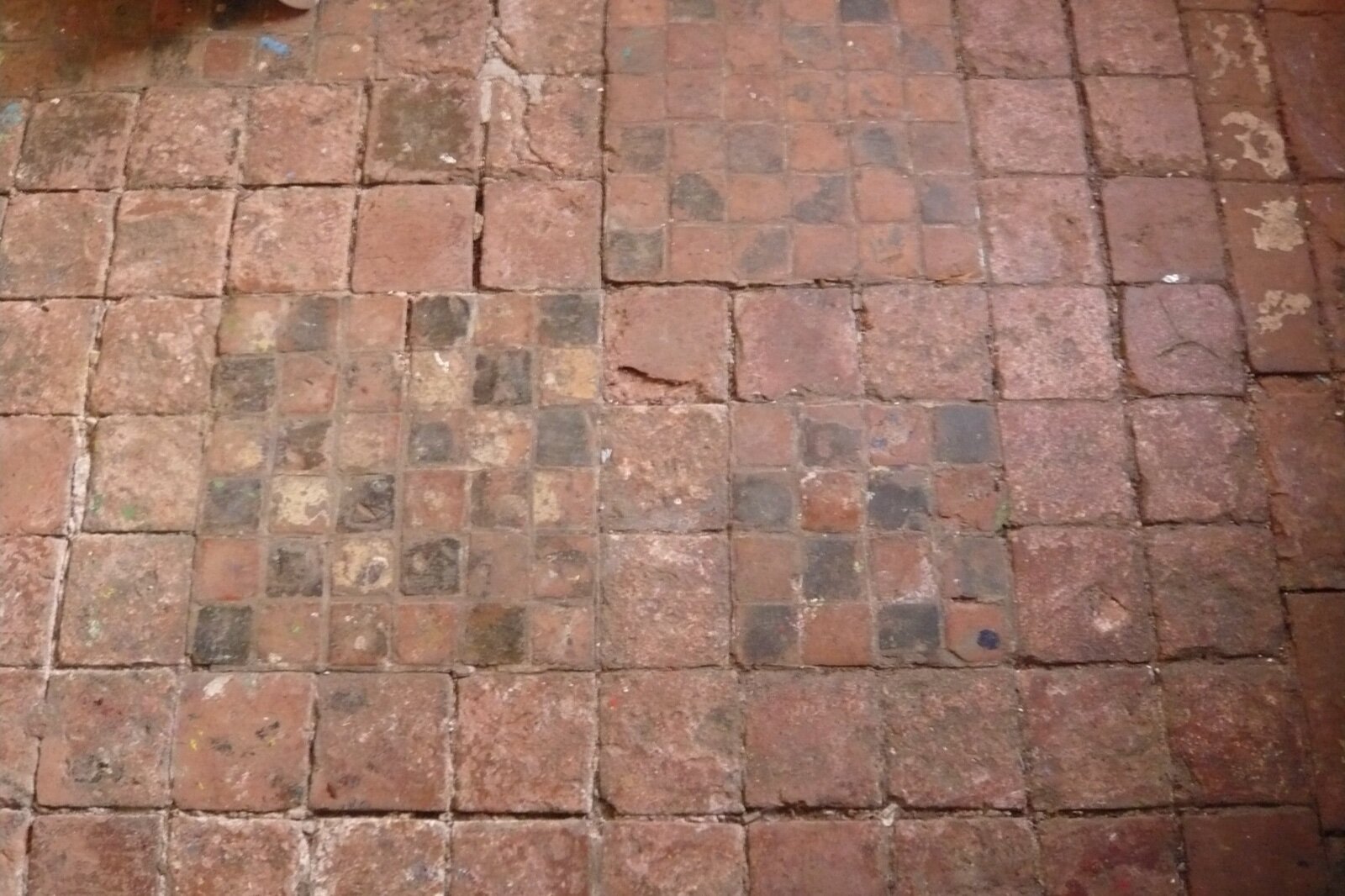
Wait. After fixing, moisture has to leave both the body and the surface of the tile before anything is sealed or grouted. Fired Earth recommends a minimum of seven days, longer where the substrate is deep or the site is cold. Seal too early and you trap moisture and dirt under the finish permanently.
Seal before grouting. An unsealed tile pulls colour out of wet grout and holds it. Seal first and the grout sits in the joint and wipes off the face. LTP’s guidance for newly installed terracotta floors is blunt: terracotta should be sealed and protected both before and after grouting.
Pick one system and stay in it. The traditional finish is boiled linseed oil brushed on until the tile is saturated, around 12 hours between coats, followed by a wax that is buffed once it has hauled off. The modern route is a synthetic impregnating sealer, then a surface finish in several thin coats. Both work. Mixing products from different systems is how floors end up patchy.
Two warnings. Sealing darkens both tile and grout, sometimes dramatically, so treat a spare tile first and look at it in the actual room before committing. And never let excess oil dry on the surface: if it is not soaking in, spread it out or lift it off, because a cured sticky film is miserable to remove. Keep traffic off a newly sealed floor for the first week, because sealers take days to oxidise fully.
Looking after a terracotta floor
Sweep or vacuum more often than you think, because grit is what wears the finish. Wash with a pH neutral cleaner made for sealed stone or terracotta, following the same principles as sealing grout and tiles on any porous floor. Bleach, washing up liquid and supermarket bathroom sprays strip wax and dull impregnators, and acidic limescale removers attack the tile itself.
Refreshing the finish is routine maintenance, not a repair. Suppliers typically suggest resealing or re-waxing a high traffic floor around every 18 months, and every four to five years in a quiet room. The test is simple: drip water on the busiest spot, and if the tile darkens within a minute or two the seal has gone. Put a proper mat at every external door, because most of the damage to a terracotta floor walks in on the soles of shoes.
When to get a tiler in
Laying terracotta is not the difficult part. What catches people out is the sequencing: knowing the screed is dry, grading tiles by thickness, holding off for seven days, sealing before grouting, and getting the underfloor heating ramp right. Those decisions are made days apart and none can be undone once the floor is down. If you are laying a large area, working over underfloor heating, or the tiles are handmade with variable thickness, the labour is worth paying for. A good starting point is a member of The Tile Association, the UK trade body for the tiling industry. If you are in Bromley or south east London, Bromley Tilers quote for terracotta floors including the sealing programme, which is the part cheap quotes tend to leave out.
Frequently asked questions
Do terracotta tiles have to be sealed?
Yes. Unsealed terracotta absorbs water, oil, wine and grout pigment straight into the body of the tile, and those stains cannot be washed out afterwards. Sealing is not optional maintenance, it is part of the installation.
Do you seal terracotta before or after grouting?
Both, and before is the one people miss. Sealing before grouting stops the tile face pulling colour out of the wet grout. A further coat after grouting covers the joints as well and completes the finish.
How long should you wait before sealing a new terracotta floor?
At least seven days after the tiles are fixed, so that moisture from the adhesive and the tile body can escape. Longer if the substrate is thick, the weather is cold or the room is poorly ventilated. Your tiler should judge it on site rather than to a calendar.
Can you lay terracotta tiles outside in the UK?
Only if the manufacturer states that the specific tile is frost proof. Terracotta absorbs more than 10 per cent of its weight in water, and water that freezes inside the tile will break it. Plenty of terracotta sold for internal floors will not survive a British winter outdoors.
Can terracotta tiles be used with underfloor heating?
Yes, and the thermal mass of the clay suits it well. Commission the heating before tiling, keep it off or no higher than 15C during tiling and for 14 days after, then raise it by no more than 5C a day. Use flexible adhesive and grout, and keep movement joints at the perimeter and in doorways.
Related guides
- How to Tile a Bathroom Wall: A UK Step-by-Step Guide
- How Much Does Tiling Cost in the UK? A Realistic Price Guide
- How to Remove Old Wall Tiles Without Damaging the Wall
- Porcelain vs Ceramic Tiles: Which Is Right for Your Bathroom or Kitchen?
- How to Tank and Waterproof a Wet Room Before Tiling: A Bromley Homeowner’s Guide
- Do You Need to Seal Natural Stone Tiles Before Grouting? A Tiler Explains
- How to Tile a Bathroom Floor (Including Around the Toilet)
- How to Tile a Shower: Walls, Niche and Waterproofing
- Construction Trade News: June 2026
- Bathroom Tiling Guide: How to Plan, Prep and Finish a Lasting Job
- Tile Backer Board vs Plasterboard for Bathrooms
- Best Tiles for Small Bathrooms (and How to Make a Space Look Bigger)
- Wall and Floor Tiles for a Wet Room: What Actually Works
- Tiling vs Wall Panels for a Bathroom: Which Is Better?
- Do You Tile the Floor or Walls First in a Bathroom?
- Tiling and Bathroom Trade News: Mid-June 2026
- Kitchen Tiling: Splashbacks, Walls and Floors Explained
- How to Tile a Kitchen Splashback: Step-by-Step Bromley Guide
- How to Tile Around Kitchen Sockets, Switches and Worktops
- Kitchen Splashback Tile Ideas: 12 Looks That Work
- Tiling and Bathroom Trade News: Late June 2026
- How to Lay Metro Tiles in a Herringbone Pattern
- Tiled vs Glass Splashback (and Acrylic): Which Is Best?
- How High Should a Kitchen Splashback Be Tiled? UK Heights Guide
- Tiling and Bathroom Trade News: Early July 2026
- Types of Tiles: The Complete UK Buyer’s Guide
- Porcelain vs Natural Stone Tiles: Which Should You Choose?
- Natural Stone Tiles Explained: Marble, Travertine, Slate and Limestone
- Tiling and Bathroom Trade News: Mid-July 2026
- Mosaic Tiles: Where to Use Them and How They’re Fixed
- Tile Slip Ratings Explained: R Ratings and PTV for UK Floors
- Matt vs Gloss Tiles: Which Finish Is Right for Your Room?
- Cost to Tile a Bathroom in the UK: 2026 Price Breakdown
- Polystyrene Ceiling Tiles: Are They Any Good?
- Cost to Tile a Kitchen in 2026: Floor and Splashback Prices
- Tiling and Bathroom Trade News: Mid-July 2026
- Tiling Cost Per Square Metre 2026: Labour and All-In Prices
- Tiler Day Rate UK: What Tilers Charge Per Day in 2026
- Cost to Regrout a Bathroom in 2026: UK Prices Explained
- Floor Tile Prices UK 2026: What You Will Pay Per Square Metre
- Is It Cheaper to Tile or Use Wall Panels? A UK Cost Comparison
- How to Tile: A Complete Beginner’s Guide (UK)
- How to Cut Tiles: Manual Cutter, Wet Saw and Nippers
- How to Cut Holes in Tiles for Pipes and Taps
- How to Grout Tiles (and Get Clean, Even Lines)
- Cork Flooring: Pros, Cons and Where It Works in UK Homes
- Tiling and Bathroom Trade News: Late July 2026
- How to Mix and Apply Tile Adhesive Correctly
- How to Set Out Tiles for a Perfect Layout
- How to Seal Grout and Tiles in a Bathroom (UK Guide)
- Can You Tile Over Tiles? When It Works and When It Doesn’t
- Tiling Tools List: What You Need for a Professional Finish
- How Much Tile Adhesive Do I Need? Coverage Per Square Metre
- Tiling Trade News: Topps App, Costs Up 6% (Aug 2026)
- Tile Problems: 9 Common Faults and How to Fix Each
- How to Fix Loose Tiles Without Removing Them
- Cracked Grout Repair: Why It Happens and How to Fix It
- Tiling Trade News: TTA Silica Warning, 2% Retentions
- How to Replace a Broken Tile Without Redoing the Wall
- Water Leaking Through Shower Tiles: 6 Causes and Fixes
- Remove Mouldy Silicone Sealant: A 24-Hour Reseal Job
- How to Clean Grout: What Works, and What Etches Stone
- Why Are My Floor Tiles Lifting? The 40m² Bay Rule
- Tiling Trade News: 3,841 Construction Firms Failed
- How to Lay Porcelain Paving: 1:80 Fall, 150mm Below DPC
- Tile Patterns: Why Big Tiles Need a One-Third Offset
- Grout Colour Ideas: How to Get the Shade You Chose
- Can You Paint Tiles? Yes on Walls, No in the Shower
- Decoupling Membrane for Tiles: When You Actually Need One
- Can You Tile Over a Wooden Floor? What Changed in 2024
- Tiling Cost 2026: £25 to £95 per m² Labour, UK Rates
- Tile Ideas: 7 Looks and the One Rule Each Needs
- Metro Tiles: Sizes, Bevels and the 1/3 Offset Rule
- Tile Feature Wall: The Weight Limit That Decides Yours
- Tiling Over Underfloor Heating: 14 Days Before Heat On
- How to Tile a Hallway Floor: Set Out From the Door
- Wood Effect Tiles and Marble Effect: 5 Specs to Check
- Tile Levelling Systems: The 3mm Rule That Decides It
- Tiling Trade News: Repair Work Up 1.7%, Headlam Fails
- Floor Levelling Compound: How Deep and How Long to Dry
- How to Find a Good Tiler: 9 Checks Before You Book
- Tiling Quote: The 10 Lines a Proper One Must Show
- Tile Trim: Sizes, Profiles and the One-Size-Up Rule
- Tile Spacers: 2mm or 3mm, and When to Pull Them Out
- Tiling the Fireplace: 125mm Hearths, Adhesive and Tiles
- Tiling Trade News: Shaws Sinks Reprice on 1 November
- Porcelain vs Stone Paving: Grip, Sealing and Upkeep
- Tiling a Large Floor: Movement Joints Every 10 Metres
- DIY Tiling vs Professional: 6 Jobs to Never Do Yourself
- Tile Drill Bits: Which Bit Won’t Crack Porcelain