


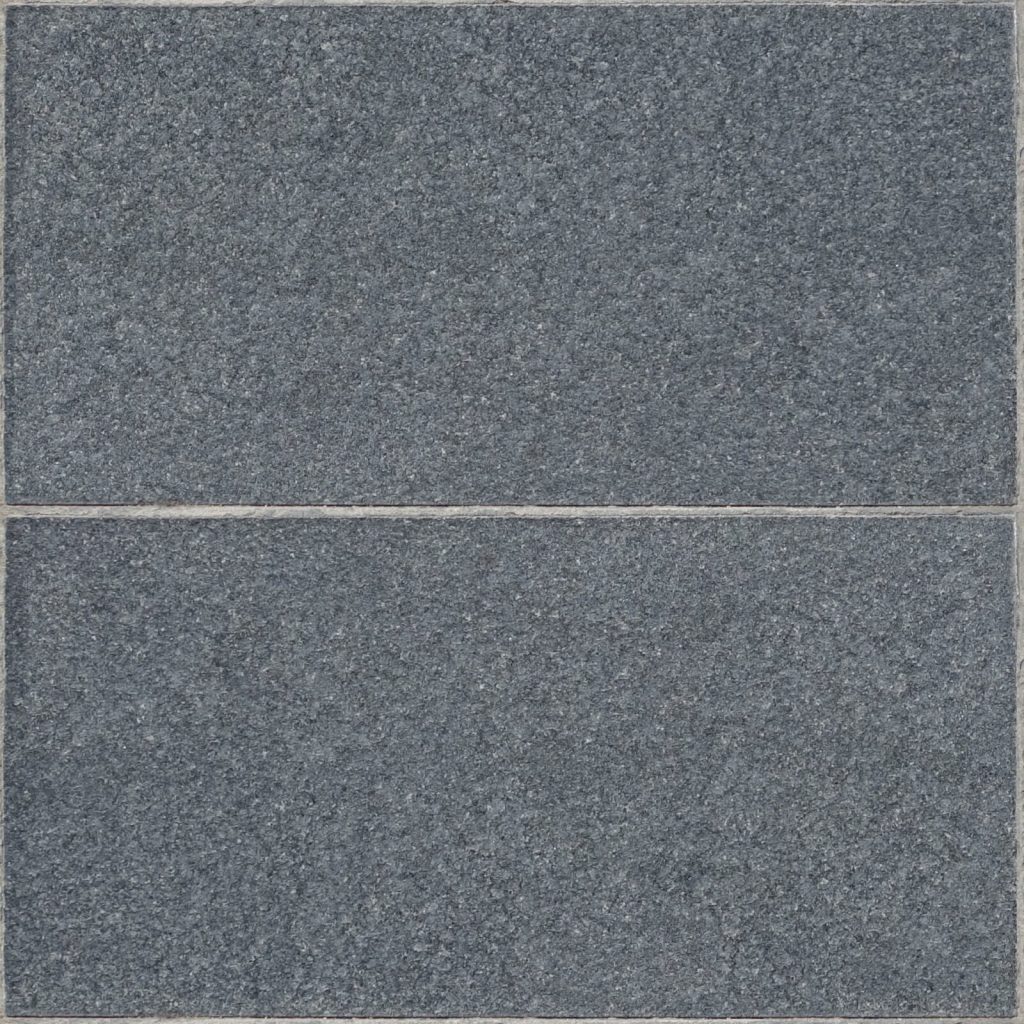
Slate tiles are the natural stone we recommend most often for hallways, boot rooms and kitchens in Bromley, because slate is dense, hard-wearing and grippy underfoot, and it hides a muddy footprint better than almost anything else. What decides whether a slate floor looks right in ten years is not so much the colour you pick as three dull details: whether the tiles are calibrated, what finish they have, and how they are bedded and sealed. Get those right and slate is one of the least fussy stones you can put down.
This covers what separates one slate tile from another, where each type suits, how a tiler should fix it, and the sealing routine that keeps it looking dark and even rather than patchy and grey.
What slate is, and why it behaves differently from limestone
Slate is a metamorphic rock: fine clay and silt that were buried, compressed and heated until the minerals realigned into thin, flat layers. Those layers are why slate splits cleanly along its grain, and why a “riven” slate tile has that uneven, rippled face.
For a floor, the useful part is what slate is made of. Unlike travertine, marble and limestone, which are calcium carbonate, most slate is mainly silicate minerals. In practice that means a spilt glass of wine or a splash of lemon juice will not leave the pale etch mark it would on travertine. Slate can still stain from oil and grease, and some slates contain iron that can show as rusty spots, but it is a much more forgiving stone in a kitchen than any limestone.
Slate is also dense and has low water absorption compared with sandstone or limestone, which is why it copes with busy hallways and utility rooms. The weak point is the surface layer: on riven slate, thin flakes can lift from the face in the first months as loose laminations work free. That is normal and settles down, but it is worth knowing before you choose riven slate for a room where you want a perfectly uniform look.
Riven, honed and brushed slate tiles
The same slate can be finished in several ways, and the finish changes the look, the grip and the cleaning more than the colour does.
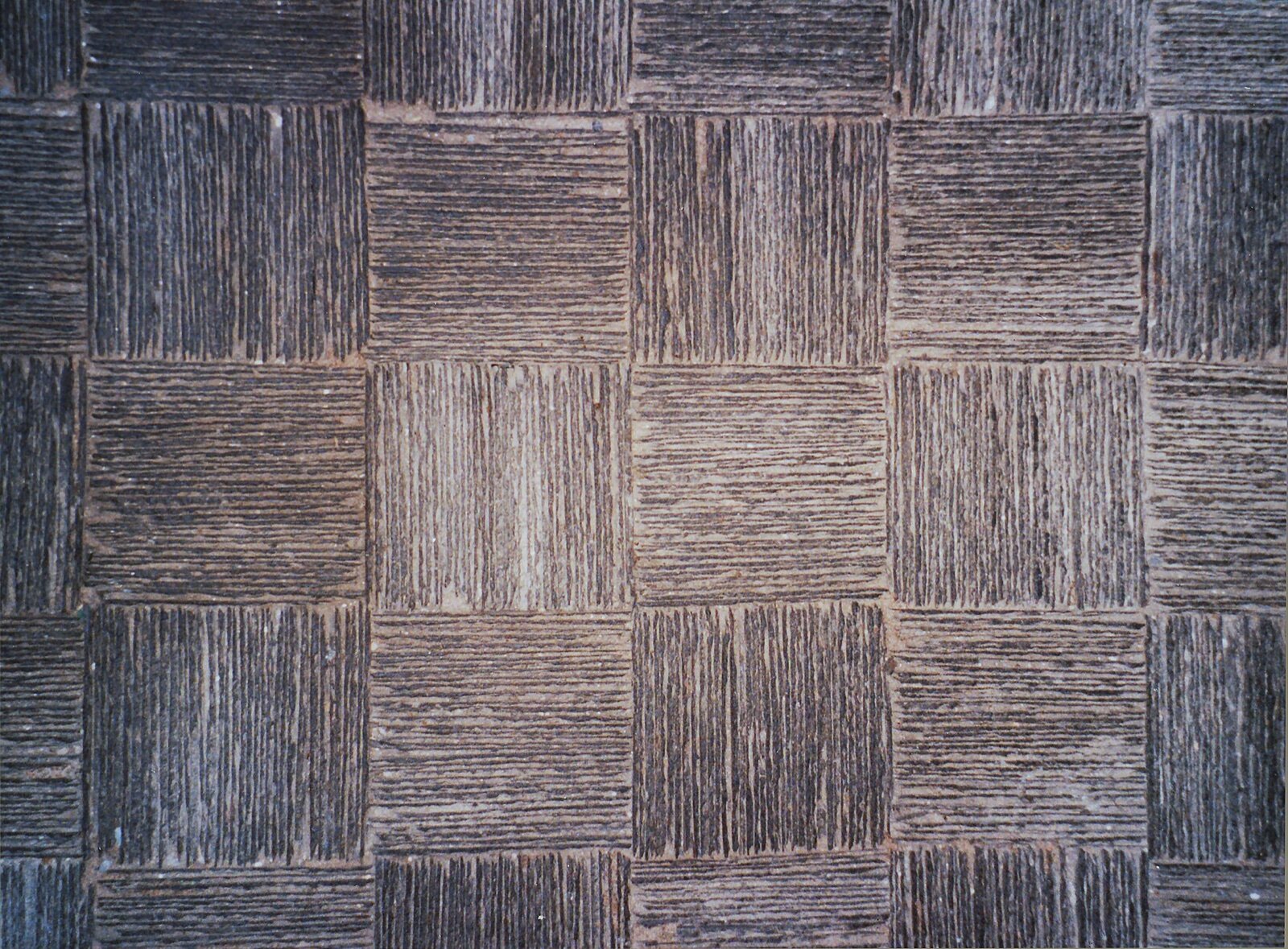
- Riven (natural cleft): the face is left as it split. It is textured, with ridges and slight dips, and gives the best grip, which makes it a favourite for boot rooms, back doors and garden rooms. The texture also holds dirt, so it needs a stiffer brush to clean.
- Honed (sometimes sold as fine rubbed): the face is ground flat and smooth, with a matt finish. It looks cleaner and more contemporary and is easier to mop, with less grip than riven when wet.
- Brushed: a honed tile that has been worked with abrasive brushes to soften the surface slightly. It sits between the two for texture.
Honed and brushed slate usually looks lighter and greyer dry than it does wet. If you want the darker “wet look”, that comes from the sealer choice, not from buying a different stone; more on that below.
Calibrated or uncalibrated: the detail that sets the price of fitting
This is the question that matters most to your tiler, and it is often left off the showroom label.
Calibrated slate has had its back ground to an even thickness. Calibrated riven slate is commonly sold at around 10mm, and a honed slate such as Berwyn’s Welsh fine rubbed tile is calibrated to 12mm, plus or minus 1mm. Because every tile is the same thickness, it can go down on a normal notched-trowel bed of adhesive, much like porcelain, and the floor comes out flat.
Uncalibrated slate varies from tile to tile. The same Welsh supplier sells its uncalibrated diamond-sawn tiles at 10mm to 15mm. Each tile has to be bedded individually on a thicker bed of adhesive so that the faces finish level with each other. That takes longer, uses more adhesive, raises the finished floor height more, and needs a tiler who is used to working with stone. Expect the labour to cost noticeably more per square metre than for calibrated tiles of the same size.
Uncalibrated slate is not a worse product. It is often cheaper to buy and suits rustic flagstone-style floors in period cottages. But if the quote you were given assumed porcelain-style fixing, ask whether the tiles are calibrated before you order.
Size, tolerance and joint width
Stone is cut to a tolerance, not to the exact millimetre. Berwyn quotes plus or minus 1.5mm on its slate tile sizes and advises allowing a 5mm joint to absorb it. That is a sensible rule for any natural slate: very tight joints only work with tightly gauged stone. If you want the slim 2mm joints you see on porcelain, a slate-effect porcelain tile is the better route (see below).
Where slate tiles work in a house
Slate earns its place in rooms that take a beating.
- Hallways and boot rooms: the classic use. Dark slate hides grit and wet footprints, and riven slate gives good grip on a rainy day.
- Kitchens: slate shrugs off acid spills far better than limestone. Choose honed or brushed if you want an easy mop, and seal well against oil.
- Bathrooms and shower floors: slate works, but riven slate in a shower tray area traps soap scum and needs regular cleaning. Honed slate walls with a riven floor is a common combination.
- Conservatories and garden rooms: slate handles temperature swings well, and a riven face is safer where people walk in from the garden. Check that any tile used outside is sold as frost resistant.
Slate is heavy. A timber upstairs floor needs to be stiff enough to carry it without flexing, which normally means overboarding with a tile backer board or suitable plywood before tiling. On a ground-floor concrete slab it is straightforward.
Slate tiles and underfloor heating
Slate is one of the better natural stones over underfloor heating: it is dense and conducts heat well, and because it is thicker than most porcelain it takes a little longer to warm up but holds the heat for longer. The fixing has to allow for movement as the floor heats and cools. Use a flexible adhesive classified S1 (or S2 for larger or more demanding floors) under EN 12002, lay it solid bed with no voids under the tiles, and follow the heating maker’s commissioning schedule so the system is brought up to temperature gradually before and after tiling.
How slate tiles should be fixed
A good slate floor starts with a stable, flat, dry subfloor. New screed has to be fully dry, and a timber floor needs to be rigid before any stone goes near it.
- Batch and dry-lay first. Slate varies from box to box in colour and in the amount of rust or quartz streaking. Open several boxes and mix tiles as you lay so you do not end up with a light patch in one corner.
- Back-butter as well as trowel. Spread adhesive on the floor and a thin skim on the back of each tile, so there are no hollow spots. With uncalibrated slate, adjust the bed under each tile to bring faces level.
- Pick an adhesive meant for natural stone. A rapid-setting, flexible stone adhesive is the usual choice. Dark slate is less fussy than pale marble about adhesive colour, but a white adhesive is still the safer default under lighter slates.
- Seal before grouting. A coat of sealer on the faces before grouting stops the grout staining the surface and makes cleaning off far easier. We explain why in sealing natural stone before grouting.
- Grout with a colour that suits the stone. Charcoal or anthracite grout disappears into dark slate; a light grout creates a strong grid that shows every irregular joint.
Sealing and cleaning slate tiles
Most slate should be sealed, even though it is less porous than other stones. The sealer is there to stop oil, grease and grout soaking in, and to make everyday cleaning easier.
The type of sealer decides the look:
- Impregnating (natural finish) sealers soak into the stone and leave the surface looking close to unsealed. LTP’s Mattstone is a common example; the maker lists it as suitable for slate, says it takes about three days to become fully resistant, and recommends at least two hours between coats.
- Colour-enhancing sealers darken the stone and bring out the colour banding, giving that permanently “wet” look many people want from slate.
- Surface finishes (satin or gloss) sit on top of the stone. They look striking on day one but wear first in walkways and need stripping and reapplying, so we steer most clients away from them on floors.
Test any sealer on a spare tile first. After it has cured, drip water on the surface: if it beads, the stone is sealed; if it darkens and soaks in, it needs another coat. Re-test a busy hallway or kitchen every year or two.
For day-to-day cleaning use a pH-neutral stone cleaner. Bleach and strong acidic or alkaline products will strip the sealer over time. For deep cleaning and stain removal, our step-by-step guide to cleaning slate tiles goes further.
Slate or slate-effect porcelain?
Slate-effect porcelain copies the colour and, in the better ranges, the riven texture of slate, with none of the maintenance. It does not need sealing, it is gauged to exact sizes so it can take thin joints, and it will not shed surface flakes. It is also lighter and usually quicker to lay.
What porcelain cannot copy is the variation. Real slate changes from tile to tile, with rust flashes, green or purple tints and genuine cleft ridges, and it wears into its character over decades. Porcelain repeats its print every few tiles, which you will notice on a large floor.
Our honest rule of thumb: choose real slate for period homes, hearths, boot rooms and anywhere you want the stone to age; choose slate-effect porcelain for wet rooms, large open-plan floors with slim joints, and households who do not want to reseal.
Frequently asked questions
Are slate tiles slippery?
Riven slate has a textured face and good grip, which is why it is used at back doors and in boot rooms. Honed slate is smoother and can be slippery when wet, especially if it has a surface gloss finish on top. For wet areas choose riven or a textured slate and a natural-finish sealer rather than a gloss coating.
Do slate tiles need sealing?
Yes, in almost all homes. Slate absorbs less water than limestone or sandstone, but it will still take up oil, grease and grout pigment. An impregnating sealer applied before grouting and again after the floor is finished protects it without changing the look much. Re-test yearly with a few drops of water.
Why is my slate floor flaking?
Thin surface flakes lifting from riven slate in the first months are common: they are loose layers of the natural cleft working free. Brush them away and they usually stop. Flaking that continues for years, or large sheets lifting, points to a poor-quality stone or moisture coming up through the floor, and is worth getting looked at.
Can you put slate tiles over underfloor heating?
Yes. Slate conducts heat well and holds it. Use a flexible S1 or S2 adhesive, a solid bed with no voids, and follow the heating system’s warm-up schedule before and after tiling so the floor does not crack from sudden temperature changes.
What colour grout goes with slate tiles?
Dark grey, charcoal or anthracite is the usual choice for black and grey slate because it blends with the stone and hides dirt. Multicolour slates with rust and gold tones often suit a warm mid-grey. Avoid white grout on slate floors; it stains quickly and makes the uneven joints of natural stone stand out.
If you are planning a slate floor in Bromley or south-east London and want it fixed properly, talk to Bromley Tilers about a survey and quote.
Related guides
- How to Tile a Bathroom Wall: A UK Step-by-Step Guide
- How Much Does Tiling Cost in the UK? A Realistic Price Guide
- How to Remove Old Wall Tiles Without Damaging the Wall
- Porcelain vs Ceramic Tiles: Which Is Right for Your Bathroom or Kitchen?
- How to Tank and Waterproof a Wet Room Before Tiling: A Bromley Homeowner’s Guide
- Do You Need to Seal Natural Stone Tiles Before Grouting? A Tiler Explains
- How to Tile a Bathroom Floor (Including Around the Toilet)
- How to Tile a Shower: Walls, Niche and Waterproofing
- Construction Trade News: June 2026
- Bathroom Tiling Guide: How to Plan, Prep and Finish a Lasting Job
- Tile Backer Board vs Plasterboard for Bathrooms
- Best Tiles for Small Bathrooms (and How to Make a Space Look Bigger)
- Wall and Floor Tiles for a Wet Room: What Actually Works
- Tiling vs Wall Panels for a Bathroom: Which Is Better?
- Do You Tile the Floor or Walls First in a Bathroom?
- Tiling and Bathroom Trade News: Mid-June 2026
- Kitchen Tiling: Splashbacks, Walls and Floors Explained
- How to Tile a Kitchen Splashback: Step-by-Step Bromley Guide
- How to Tile Around Kitchen Sockets, Switches and Worktops
- Kitchen Splashback Tile Ideas: 12 Looks That Work
- Tiling and Bathroom Trade News: Late June 2026
- How to Lay Metro Tiles in a Herringbone Pattern
- Tiled vs Glass Splashback (and Acrylic): Which Is Best?
- How High Should a Kitchen Splashback Be Tiled? UK Heights Guide
- Tiling and Bathroom Trade News: Early July 2026
- Types of Tiles: The Complete UK Buyer’s Guide
- Porcelain vs Natural Stone Tiles: Which Should You Choose?
- Natural Stone Tiles Explained: Marble, Travertine, Slate and Limestone
- Tiling and Bathroom Trade News: Mid-July 2026
- Mosaic Tiles: Where to Use Them and How They’re Fixed
- Tile Slip Ratings Explained: R Ratings and PTV for UK Floors
- Matt vs Gloss Tiles: Which Finish Is Right for Your Room?
- Cost to Tile a Bathroom in the UK: 2026 Price Breakdown
- Polystyrene Ceiling Tiles: Are They Any Good?
- Cost to Tile a Kitchen in 2026: Floor and Splashback Prices
- Tiling and Bathroom Trade News: Mid-July 2026
- Tiling Cost Per Square Metre 2026: Labour and All-In Prices
- Tiler Day Rate UK: What Tilers Charge Per Day in 2026
- Cost to Regrout a Bathroom in 2026: UK Prices Explained
- Floor Tile Prices UK 2026: What You Will Pay Per Square Metre
- Is It Cheaper to Tile or Use Wall Panels? A UK Cost Comparison
- How to Tile: A Complete Beginner’s Guide (UK)
- How to Cut Tiles: Manual Cutter, Wet Saw and Nippers
- How to Cut Holes in Tiles for Pipes and Taps
- How to Grout Tiles (and Get Clean, Even Lines)
- Cork Flooring: Pros, Cons and Where It Works in UK Homes
- Tiling and Bathroom Trade News: Late July 2026
- How to Mix and Apply Tile Adhesive Correctly
- How to Set Out Tiles for a Perfect Layout
- How to Seal Grout and Tiles in a Bathroom (UK Guide)
- Can You Tile Over Tiles? When It Works and When It Doesn’t
- Tiling Tools List: What You Need for a Professional Finish
- How Much Tile Adhesive Do I Need? Coverage Per Square Metre
- Tiling Trade News: Topps App, Costs Up 6% (Aug 2026)
- Tile Problems: 9 Common Faults and How to Fix Each
- How to Fix Loose Tiles Without Removing Them
- Cracked Grout Repair: Why It Happens and How to Fix It
- Tiling Trade News: TTA Silica Warning, 2% Retentions
- How to Replace a Broken Tile Without Redoing the Wall
- Water Leaking Through Shower Tiles: 6 Causes and Fixes
- Remove Mouldy Silicone Sealant: A 24-Hour Reseal Job
- How to Clean Grout: What Works, and What Etches Stone
- Why Are My Floor Tiles Lifting? The 40m² Bay Rule
- Tiling Trade News: 3,841 Construction Firms Failed
- How to Lay Porcelain Paving: 1:80 Fall, 150mm Below DPC
- Tile Patterns: Why Big Tiles Need a One-Third Offset
- Grout Colour Ideas: How to Get the Shade You Chose
- Can You Paint Tiles? Yes on Walls, No in the Shower
- Decoupling Membrane for Tiles: When You Actually Need One
- Can You Tile Over a Wooden Floor? What Changed in 2024
- Tiling Cost 2026: £25 to £95 per m² Labour, UK Rates
- Tile Ideas: 7 Looks and the One Rule Each Needs
- Metro Tiles: Sizes, Bevels and the 1/3 Offset Rule
- Tile Feature Wall: The Weight Limit That Decides Yours
- Tiling Over Underfloor Heating: 14 Days Before Heat On
- How to Tile a Hallway Floor: Set Out From the Door
- Wood Effect Tiles and Marble Effect: 5 Specs to Check
- Tile Levelling Systems: The 3mm Rule That Decides It
- Tiling Trade News: Repair Work Up 1.7%, Headlam Fails
- Floor Levelling Compound: How Deep and How Long to Dry
- How to Find a Good Tiler: 9 Checks Before You Book
- Tiling Quote: The 10 Lines a Proper One Must Show
- Tile Trim: Sizes, Profiles and the One-Size-Up Rule
- Tile Spacers: 2mm or 3mm, and When to Pull Them Out
- Tiling the Fireplace: 125mm Hearths, Adhesive and Tiles
- Tiling Trade News: Shaws Sinks Reprice on 1 November
- Porcelain vs Stone Paving: Grip, Sealing and Upkeep
- Tiling a Large Floor: Movement Joints Every 10 Metres
- DIY Tiling vs Professional: 6 Jobs to Never Do Yourself
- Terracotta Tiles: Seal Before Grouting, Wait 7 Days
- Tile Drill Bits: Which Bit Won’t Crack Porcelain
- Tiling Corners With Trim: Which Profile, and When to Mitre
- Travertine Tiles: Filled or Unfilled, and How to Seal Them
- Zellige Tiles: Order 15% Extra and Fix Them Edge to Edge
- Terrazzo Tiles: Real 20mm vs Porcelain, Seal Before Grouting
- Tiling Trade News: 36% Now Add a Bathroom Accent Wall
- Split Face Tiles: Will Your Wall Take 27kg per m²?
- Tile Sealer: Which Tiles Need It and Which Type to Buy
- How to Remove Grout Haze: Which Cleaner for Which Grout
- Efflorescence on Tiles: Why It Comes Back and How to Stop It
- Tile Primer: Which Surfaces Need It and How Much to Dilute
- Epoxy Grout: Where It’s Worth It and How to Apply It
- How to Tile Stairs: Keep Every Riser the Same Height
- Shower Niche: Sizes, Height and Which Wall Can Take One
- How Many Tiles Do I Need? Add 10% to 20% by Layout
- How to Tile a Window Sill: Sill Last, Silicone at the Frame
- Tiling Trade News: Victorian Plumbing Tile Sales Up 76%
- How to Tile Around a Toilet: Lift the Pan or Cut Round It
- Tile to Carpet Transition: Pick the Strip by the Height Gap
- Tile Skirting: Leave a 6mm Gap and Seal, Never Grout
- Tile Backer Board: Cement or Foam, Which Thickness, Fixings