


A tile sealer is a liquid that soaks into, or sits on top of, a porous tile so that water, oil and dirt cannot get into the body of the tile and stain it. The catch is that most tiles fitted in UK homes today do not need one at all, and putting sealer on a tile that cannot absorb it is the most common way people end up with a sticky, hazy floor. This page sets out which tiles need sealing, which of the four types of sealer to buy, how much you need, and how to fix a sealer job that has gone wrong.
It is written by the team at Bromley Tilers, who seal natural stone, terracotta and encaustic floors across Bromley and south east London. If you want the step-by-step for grout lines in a bathroom, see our separate page on how to seal grout and tiles.
Which tiles need a tile sealer?
The question to ask is not “what kind of tile is it?” but “will it drink water?”. A tile that absorbs liquid will also absorb tea, red wine, cooking oil and the pigment in coloured grout, and a sealer is what stops that.
- Glazed ceramic wall and floor tiles: no. The glaze is the seal. Sealer cannot penetrate it and will only leave a film.
- Glazed porcelain: no. Porcelain is classed under BS EN 14411 as having water absorption below 0.5%, and the glaze closes the surface completely.
- Unglazed matt porcelain: usually not, but check the manufacturer’s sheet. Some cheaper through-body porcelains absorb more than the standard suggests.
- Polished porcelain: often yes. Polishing opens microscopic pores in the surface, which is why polished porcelain can pick up grout stains and greasy footprints. Many are factory sealed, but that treatment wears off.
- Natural stone (limestone, travertine, marble, slate, sandstone): yes, almost always, and often before grouting as well as after. Our page on sealing natural stone before grouting covers that sequence.
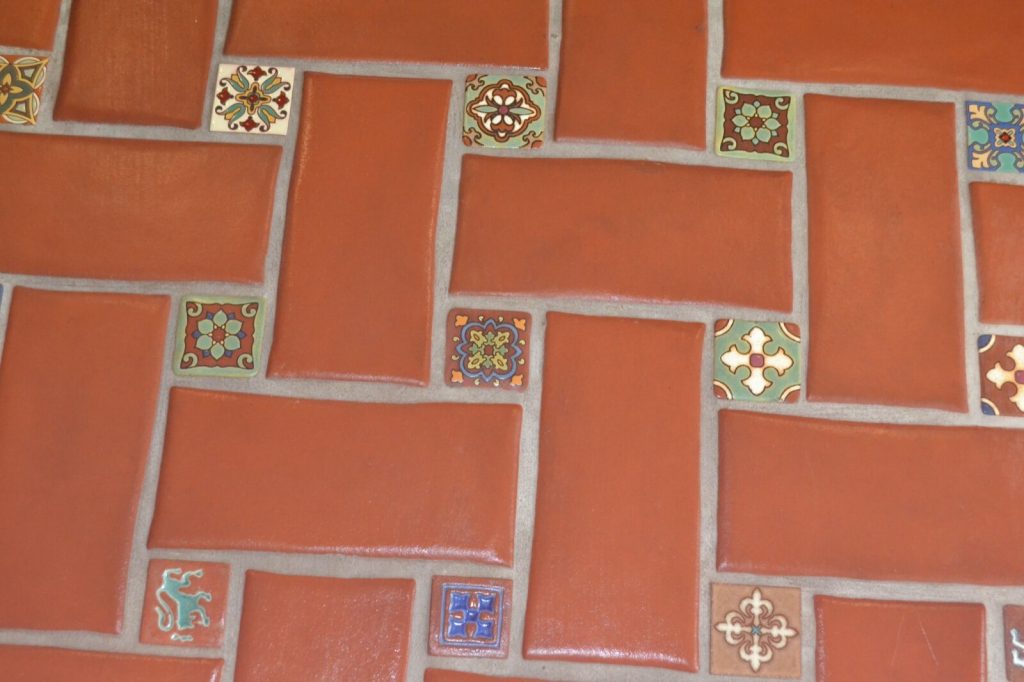
- Terracotta and handmade clay tiles: yes. They are among the thirstiest tiles you can buy.
- Quarry tiles: usually yes in kitchens and hallways, where grease and grit get trodden in.
- Encaustic and cement tiles: yes, and they need it before grouting, because the pigment layer stains easily. See our encaustic tiles page.
- Terrazzo: real cement or resin terrazzo, yes; terrazzo-effect porcelain, no.
Cement-based grout is porous whatever tile it sits between, so it is often worth sealing grout even where the tile itself needs nothing. Epoxy grout does not need sealing.
The water drop test
If you are not sure, test it. On a clean, dry tile (or an offcut), drip a few drops of water and watch for five minutes.
- The drops stay beaded and the tile underneath does not change colour: the tile is not absorbent, so do not seal it.
- The tile darkens slowly around the drops: low porosity. One or two coats of an impregnating sealer.
- The water disappears within a minute or two: high porosity. Expect three or more coats, applied generously.
Repeat the test after sealing. When the water beads on a stone or terracotta tile that used to soak it up, the job is done. Repeat it again once a year to know when to reseal.
The four types of tile sealer
Walk into a tile shop and you will see a shelf of bottles with similar names. They fall into four groups.
1. Impregnating (penetrating) sealer
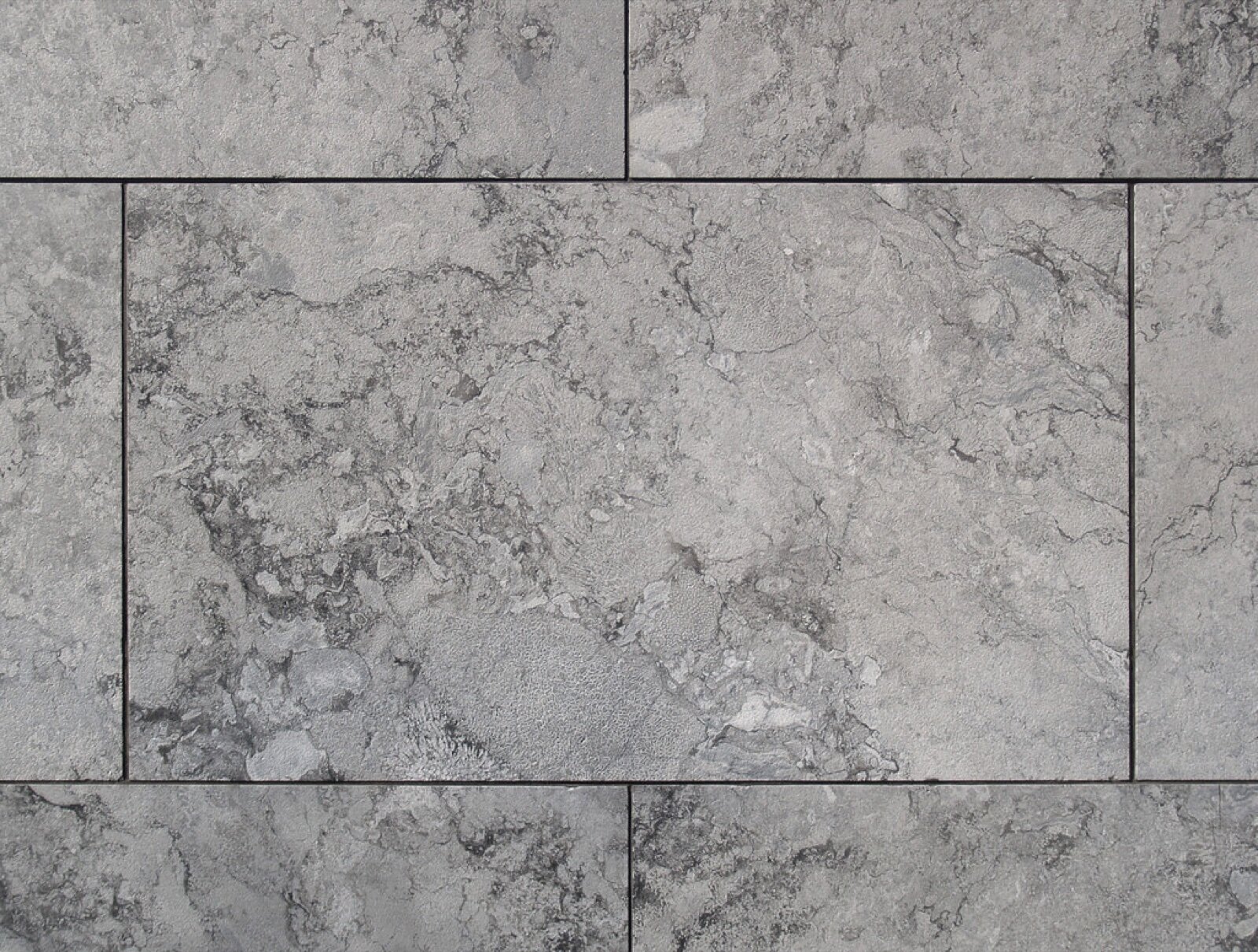
This is the default for natural stone, terracotta and unglazed tiles. It soaks into the pores and lines them with a water and oil repellent, leaving nothing on the surface. The tile looks and feels the same and still lets moisture vapour out, which matters on ground floors and in showers. A typical example is LTP Mattstone, which the maker describes as a natural matt finish impregnating sealer for natural stone, unglazed porcelain, terracotta, quarry, brick and concrete.
2. Colour enhancing sealer
An impregnator with an added “wet look” effect. It deepens the colour of slate, limestone and riven stone so it looks as it does when damp, without leaving a gloss. It is a permanent change, so always try it on a spare tile first.
3. Surface (topical) sealer
These form a film on top of the tile, from a soft satin to a high gloss. They are traditional on terracotta and quarry floors and are sometimes used over an impregnator on rough, riven surfaces. The film wears in walkways and needs topping up, it can make some floors more slippery when wet, and it should never go on a tile that does not absorb, because it has nothing to grip.
4. Grout sealer
A lighter impregnator for cement grout lines, usually brushed on or sprayed from an aerosol. It keeps grout from turning grey in floors and from taking up mould spores in showers. It is not a substitute for a tile sealer on stone.
You will also see solvent-based and water-based versions of the same product. Solvent-based sealers tend to penetrate dense stone better, but they smell strongly, are flammable and need good ventilation. Water-based sealers are low odour and easier to use in a small bathroom. Either works if you follow the data sheet.
How much tile sealer do you need?
Coverage depends almost entirely on how porous the tile is, which is why the label gives a range. LTP’s data sheet for Mattstone gives roughly 1 to 2 litres per 10m² for lower porosity floors and 3 to 4 litres per 10m² for higher porosity floors. A honed limestone kitchen floor sits near the low end; reclaimed terracotta can go past the top.
Buy for the high end. Running out between coats means the last coat goes on a day later than the first, and patchy absorption shows up as patchy colour on enhancers.
How to apply a tile sealer
- Make sure the floor is fully dry. A newly laid floor holds water in the adhesive and grout. Sealing too early traps it, which can show as white bloom later. Follow the grout maker’s minimum cure time before the final coat.
- Clean it properly. Any grout residue, dust or old wax gets sealed in for good. Use a pH-neutral cleaner and let the floor dry again.
- Check the temperature. Most sealers have a working window. The Mattstone data sheet says not under 5°C or over 25°C and not in direct sunlight, which rules out a cold garage floor in January and a conservatory floor at midday in July.
- Apply thinly and evenly with a lint-free cloth, a soft brush or an applicator pad, working into the tile rather than flooding it.
- Buff off the excess. This is the step people skip. The LTP sheet says to rub over the surface with a soft cloth after an hour; any impregnator left standing on the surface turns into a sticky film.
- Wait between coats. At least two hours for Mattstone; check your product.
- Keep it dry while it cures. The same data sheet says the floor dries in about two hours but needs a further three days to become fully resistant, and should not get wet in that time. Plan a bathroom floor around that.
When sealer goes wrong: haze, sticky patches and white bloom
Most callouts we get for “tile sealer problems” are one of three things.
- A sticky or hazy film: too much impregnator, not buffed off, or sealer applied to a tile that could not absorb it (polished porcelain that was already factory sealed is a common culprit). It can often be lifted by re-wetting with the same sealer and buffing straight away, or with the manufacturer’s recommended remover. Do not reach for an acid cleaner on stone.
- White patches under the sealer: moisture trapped by sealing too soon, or efflorescence (salts) coming up from a new screed. The cause has to dry out first; resealing over it locks it in.
- Dark, blotchy colour: uneven coats of a colour enhancer. It evens out only with more coats of the same product, so test first.
How often should you reseal tiles?
There is no fixed interval, because it depends on traffic and cleaning. A shower wall in limestone may need a top-up coat every year or two; a hallway in terracotta every few years; a guest bathroom floor longer. The water drop test tells you: when water stops beading and starts darkening the tile, reseal. Harsh cleaners strip impregnators faster, so a pH-neutral stone cleaner extends the life of the seal. If you are planning a new stone or terracotta floor, the trade body The Tile Association lists member tilers who can advise on the right treatment for a particular tile.
Frequently asked questions
Do porcelain tiles need sealing?
Glazed porcelain does not, and sealer on it will only leave a smeary film. Polished porcelain often benefits from sealing because polishing opens tiny pores in the surface. Unglazed matt porcelain usually does not, but check the manufacturer’s guidance or do the water drop test.
Is tile sealer the same as tile sealant?
No. A tile sealer is a liquid that protects the tile and grout surface. A tile sealant is a flexible bead, usually silicone, that fills movement joints such as the line between a bath and the wall. Most bathrooms need sealant; only some need sealer.
Does sealing make tiles waterproof?
It makes them water repellent, so spills bead up and can be wiped away. It does not waterproof a shower or wet room. That job belongs to the tanking membrane under the tiles.
Can you seal tiles that are already laid and grouted?
Yes. Deep clean the floor, let it dry fully, then apply an impregnating sealer over tiles and grout together. On porous stone and encaustic tiles it is still better to seal before grouting as well, to stop grout pigment staining the surface.
Will a tile sealer make my floor slippery?
An impregnating sealer leaves nothing on the surface, so it should not change the grip of the tile. A gloss surface sealer can make a floor more slippery when wet. If grip matters, ask for an impregnator or a product sold as anti-slip, and see our page on whether porcelain tiles are slippery.
What is tile primer, and do I need it as well?
Primer is a different product altogether. It goes on the wall or floor before the adhesive, to stop a dusty or absorbent surface such as plaster or anhydrite screed sucking water out of the adhesive. It never goes on the face of a tile.
Related guides
- How to Tile a Bathroom Wall: A UK Step-by-Step Guide
- How Much Does Tiling Cost in the UK? A Realistic Price Guide
- How to Remove Old Wall Tiles Without Damaging the Wall
- Porcelain vs Ceramic Tiles: Which Is Right for Your Bathroom or Kitchen?
- How to Tank and Waterproof a Wet Room Before Tiling: A Bromley Homeowner’s Guide
- Do You Need to Seal Natural Stone Tiles Before Grouting? A Tiler Explains
- How to Tile a Bathroom Floor (Including Around the Toilet)
- How to Tile a Shower: Walls, Niche and Waterproofing
- Construction Trade News: June 2026
- Bathroom Tiling Guide: How to Plan, Prep and Finish a Lasting Job
- Tile Backer Board vs Plasterboard for Bathrooms
- Best Tiles for Small Bathrooms (and How to Make a Space Look Bigger)
- Wall and Floor Tiles for a Wet Room: What Actually Works
- Tiling vs Wall Panels for a Bathroom: Which Is Better?
- Do You Tile the Floor or Walls First in a Bathroom?
- Tiling and Bathroom Trade News: Mid-June 2026
- Kitchen Tiling: Splashbacks, Walls and Floors Explained
- How to Tile a Kitchen Splashback: Step-by-Step Bromley Guide
- How to Tile Around Kitchen Sockets, Switches and Worktops
- Kitchen Splashback Tile Ideas: 12 Looks That Work
- Tiling and Bathroom Trade News: Late June 2026
- How to Lay Metro Tiles in a Herringbone Pattern
- Tiled vs Glass Splashback (and Acrylic): Which Is Best?
- How High Should a Kitchen Splashback Be Tiled? UK Heights Guide
- Tiling and Bathroom Trade News: Early July 2026
- Types of Tiles: The Complete UK Buyer’s Guide
- Porcelain vs Natural Stone Tiles: Which Should You Choose?
- Natural Stone Tiles Explained: Marble, Travertine, Slate and Limestone
- Tiling and Bathroom Trade News: Mid-July 2026
- Mosaic Tiles: Where to Use Them and How They’re Fixed
- Tile Slip Ratings Explained: R Ratings and PTV for UK Floors
- Matt vs Gloss Tiles: Which Finish Is Right for Your Room?
- Cost to Tile a Bathroom in the UK: 2026 Price Breakdown
- Polystyrene Ceiling Tiles: Are They Any Good?
- Cost to Tile a Kitchen in 2026: Floor and Splashback Prices
- Tiling and Bathroom Trade News: Mid-July 2026
- Tiling Cost Per Square Metre 2026: Labour and All-In Prices
- Tiler Day Rate UK: What Tilers Charge Per Day in 2026
- Cost to Regrout a Bathroom in 2026: UK Prices Explained
- Floor Tile Prices UK 2026: What You Will Pay Per Square Metre
- Is It Cheaper to Tile or Use Wall Panels? A UK Cost Comparison
- How to Tile: A Complete Beginner’s Guide (UK)
- How to Cut Tiles: Manual Cutter, Wet Saw and Nippers
- How to Cut Holes in Tiles for Pipes and Taps
- How to Grout Tiles (and Get Clean, Even Lines)
- Cork Flooring: Pros, Cons and Where It Works in UK Homes
- Tiling and Bathroom Trade News: Late July 2026
- How to Mix and Apply Tile Adhesive Correctly
- How to Set Out Tiles for a Perfect Layout
- How to Seal Grout and Tiles in a Bathroom (UK Guide)
- Can You Tile Over Tiles? When It Works and When It Doesn’t
- Tiling Tools List: What You Need for a Professional Finish
- How Much Tile Adhesive Do I Need? Coverage Per Square Metre
- Tiling Trade News: Topps App, Costs Up 6% (Aug 2026)
- Tile Problems: 9 Common Faults and How to Fix Each
- How to Fix Loose Tiles Without Removing Them
- Cracked Grout Repair: Why It Happens and How to Fix It
- Tiling Trade News: TTA Silica Warning, 2% Retentions
- How to Replace a Broken Tile Without Redoing the Wall
- Water Leaking Through Shower Tiles: 6 Causes and Fixes
- Remove Mouldy Silicone Sealant: A 24-Hour Reseal Job
- How to Clean Grout: What Works, and What Etches Stone
- Why Are My Floor Tiles Lifting? The 40m² Bay Rule
- Tiling Trade News: 3,841 Construction Firms Failed
- How to Lay Porcelain Paving: 1:80 Fall, 150mm Below DPC
- Tile Patterns: Why Big Tiles Need a One-Third Offset
- Grout Colour Ideas: How to Get the Shade You Chose
- Can You Paint Tiles? Yes on Walls, No in the Shower
- Decoupling Membrane for Tiles: When You Actually Need One
- Can You Tile Over a Wooden Floor? What Changed in 2024
- Tiling Cost 2026: £25 to £95 per m² Labour, UK Rates
- Tile Ideas: 7 Looks and the One Rule Each Needs
- Metro Tiles: Sizes, Bevels and the 1/3 Offset Rule
- Tile Feature Wall: The Weight Limit That Decides Yours
- Tiling Over Underfloor Heating: 14 Days Before Heat On
- How to Tile a Hallway Floor: Set Out From the Door
- Wood Effect Tiles and Marble Effect: 5 Specs to Check
- Tile Levelling Systems: The 3mm Rule That Decides It
- Tiling Trade News: Repair Work Up 1.7%, Headlam Fails
- Floor Levelling Compound: How Deep and How Long to Dry
- How to Find a Good Tiler: 9 Checks Before You Book
- Tiling Quote: The 10 Lines a Proper One Must Show
- Tile Trim: Sizes, Profiles and the One-Size-Up Rule
- Tile Spacers: 2mm or 3mm, and When to Pull Them Out
- Tiling the Fireplace: 125mm Hearths, Adhesive and Tiles
- Tiling Trade News: Shaws Sinks Reprice on 1 November
- Porcelain vs Stone Paving: Grip, Sealing and Upkeep
- Tiling a Large Floor: Movement Joints Every 10 Metres
- DIY Tiling vs Professional: 6 Jobs to Never Do Yourself
- Terracotta Tiles: Seal Before Grouting, Wait 7 Days
- Tile Drill Bits: Which Bit Won’t Crack Porcelain
- Tiling Corners With Trim: Which Profile, and When to Mitre
- Travertine Tiles: Filled or Unfilled, and How to Seal Them
- Slate Tiles: Calibrated or Riven, and How to Lay Them
- Zellige Tiles: Order 15% Extra and Fix Them Edge to Edge
- Terrazzo Tiles: Real 20mm vs Porcelain, Seal Before Grouting
- Tiling Trade News: 36% Now Add a Bathroom Accent Wall
- Split Face Tiles: Will Your Wall Take 27kg per m²?