


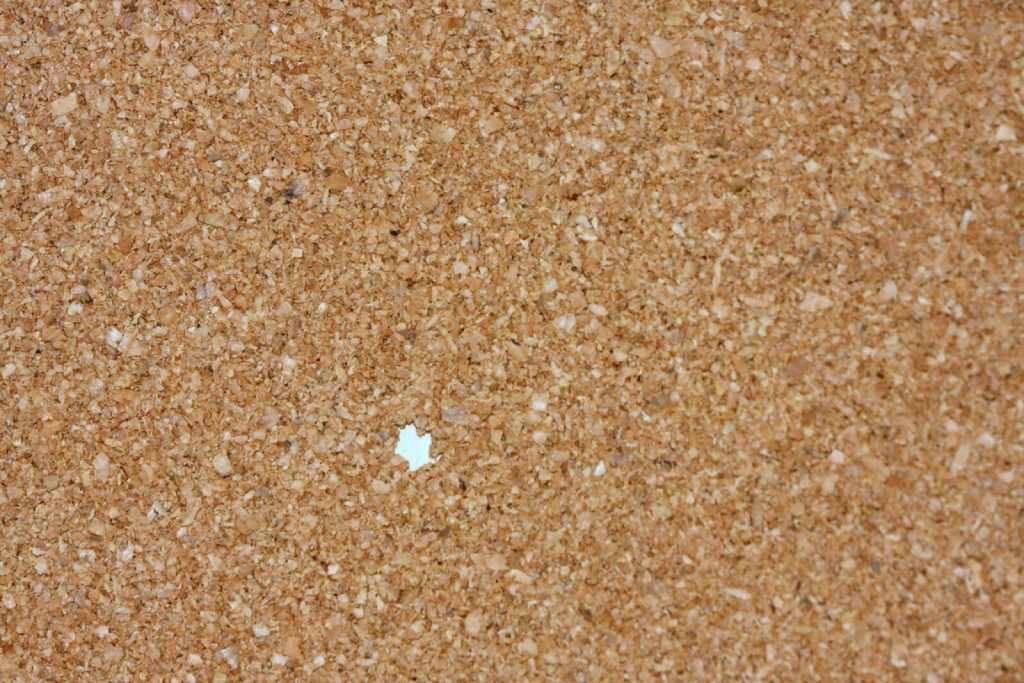
Cork flooring has quietly become one of the most practical natural floors you can lay in a UK home. It is warm underfoot, soft on the joints, absorbs sound and comes from a renewable material, which is why it keeps turning up in kitchens, home offices, bedrooms and flats. It is not right for every room, though, and getting the best from it depends on choosing the correct format, sealing it properly and knowing where standing water will let you down.
This guide sets out what cork flooring actually is, the honest pros and cons, the rooms it suits, how it behaves over underfloor heating, and how it compares with tile and vinyl. If you are weighing it against ceramic or porcelain, the same care over the subfloor and finishing applies as with any hard floor.
What is cork flooring?
Cork flooring is made from the bark of the cork oak, harvested by stripping the outer bark without felling the tree. The bark regrows and can be harvested again roughly every nine years, which is what gives cork its renewable credentials. The harvested bark is ground, bound and pressed into tiles or planks.
You will find it sold in two main formats:
- Glue-down tiles: solid cork tiles bonded directly to the subfloor with adhesive. These are thinner, sit lower and can be sealed on site for extra moisture resistance.
- Floating planks: click-together boards with a cork wear layer over an engineered core, usually with a factory finish. Faster to lay and easier to lift, but the click joints are the weak point around water.
Most modern cork carries a factory-applied lacquer or a wax-oil finish. The quality of that finish, not the cork itself, decides how well the floor copes with spills, scuffs and daily wear.
The pros of cork flooring
Cork earns its place for reasons that harder floors cannot match:
- Warmth: the millions of sealed air cells in cork make it a natural insulator, so it never feels cold to bare feet the way tile or stone can.
- Comfort: the same cellular structure cushions each step, reducing fatigue in your feet and lower joints. That is a large part of why it is popular in kitchens where you stand for long spells.
- Quiet: cork absorbs sound rather than reflecting it, softening footfall and echo. It is a sensible choice for upstairs rooms and flats where noise transfer to neighbours matters.
- Renewable: harvesting does not kill the tree, and responsibly sourced cork can carry Forest Stewardship Council certification, so you can check the supply chain rather than take a green claim on trust.
- Warmer on the wallet than it looks: as a mid-range material it usually sits below solid wood and premium porcelain while giving a distinctive, tactile finish.
The cons of cork flooring
Cork has real limitations, and pretending otherwise leads to disappointed owners:
- Water is the enemy: left unsealed or with a worn finish, standing water can swell and damage cork. Floating cork in particular should be kept out of very wet rooms.
- It dents and gouges: heavy furniture legs, dropped pans and stiletto heels can leave marks. Felt pads under furniture and a doormat at entrances are not optional extras.
- The seal wears: the protective finish is a consumable. In busy areas it needs re-coating every few years to keep water and dirt out, which is upkeep that tile does not demand.
- Sunlight fades it: prolonged direct sun can lighten cork unevenly. Blinds, or a finish with UV protection, help keep the colour even.
Where cork flooring works best (and where it doesn’t)
Match cork to the room and it rewards you. Force it into the wrong space and the finish fails early.
Cork works well in:
- Bedrooms and nurseries, where warmth, quiet and a soft landing matter most.
- Home offices and studies, where comfort underfoot and sound absorption make long days easier.
- Living rooms and hallways, provided you protect against grit with mats and keep furniture pads in place.
- Kitchens, but only glue-down cork that has been sealed on site, with spills wiped promptly.
Think twice, or avoid, in:
- Bathrooms, wet rooms and utility rooms, where standing water and splashing will find any weak point in the seal.
- Basements and rooms prone to rising damp, unless the subfloor moisture has been tested and controlled first.
- Conservatories with strong, direct sun and big temperature swings.
Cork flooring and underfloor heating
Cork is generally compatible with underfloor heating, but its insulating nature is a double-edged detail. Because cork resists heat transfer, there is a maximum floor thickness beyond which warmth struggles to come through efficiently, so check the manufacturer’s stated limit rather than assuming any board will work.
The commissioning routine matters too. Most makers ask you to turn the heating off around 48 hours before installation, lay the floor, then bring the system back up gradually in stages starting at least 72 hours after fitting. Rushing the warm-up stresses the boards and the joints. Follow the paperwork that comes with your specific product, because tolerances vary between glue-down and floating systems.
How to seal and maintain cork flooring
Sealing is what turns cork from a fragile natural material into a floor that copes with real life. A good-quality surface coating, correctly applied, lets cork repel water reasonably well; a poor or worn one leaves it exposed.
- Seal on site where you can: glue-down cork can take extra coats of a hardwearing floor lacquer or wax-oil after laying, which is the single best thing you can do for a kitchen or hallway.
- Sweep and soft-mop only: grit is abrasive, so a regular sweep or vacuum on a hard-floor setting protects the finish. Damp-mop, never soak.
- Wipe spills straight away: the longer liquid sits, the more chance it finds a seam.
- Re-coat before it is too late: watch for dull, thirsty-looking patches in traffic lanes and re-apply the recommended finish before bare cork is exposed.
Cork flooring vs tiles and vinyl
It helps to see cork against the floors people usually consider alongside it.
- Cork vs ceramic or porcelain tile: tile wins outright on water resistance and durability, which is why it rules bathrooms and wet rooms. Cork wins on warmth, quiet and comfort underfoot. In a family bathroom, tile is the safer call; in a bedroom, cork is the nicer one.
- Cork vs luxury vinyl (LVT): modern LVT is highly water resistant and hard-wearing, and it can mimic wood or stone. Cork is more natural, warmer and more forgiving on joints, but needs more care around moisture. If a room floods easily, LVT is the pragmatic choice.
- Cork as underlay: do not confuse cork flooring with cork underlay. Sheet cork under tiles or engineered boards is a common, effective way to add insulation and cut sound without using cork as the visible surface.
For most UK homes the honest summary is this: choose cork where comfort, warmth and quiet lead the brief, and choose tile or vinyl where water and heavy wear do. Get the room right and cork is one of the most pleasant floors to live with.
Frequently asked questions
Is cork flooring waterproof?
No. Cork is water resistant only when it carries a sound, unbroken finish, and even then it should not be treated as waterproof. Sealed glue-down cork copes with the odd kitchen spill wiped up quickly, but standing water and wet rooms will eventually cause swelling. For genuinely wet areas, tile or vinyl is the right material.
How long does cork flooring last?
A well-laid, well-sealed cork floor can last 20 years or more in the right room, provided the surface finish is re-coated periodically before the cork beneath is exposed. Neglect the seal, or lay it somewhere too wet, and its life falls sharply.
Can you put cork flooring in a kitchen?
Yes, but choose glue-down cork sealed on site rather than a floating floor, keep furniture pads and door mats in place, and wipe spills promptly. Treated this way, cork is a comfortable, warm kitchen floor that is kinder to stand on than tile.
Does cork flooring work with underfloor heating?
Usually, as long as you stay within the manufacturer’s maximum thickness and follow their warm-up schedule, which typically means the heating off about 48 hours before fitting and brought back up in stages at least 72 hours afterwards. Because cork insulates, thicker boards reduce how much heat reaches the room.
Is cork flooring expensive?
Cork is a mid-range material that generally costs less than solid hardwood or premium porcelain while giving a distinctive natural finish. Fitting is comparable to other tile and plank floors, and glue-down cork adds a little for on-site sealing.
Planning a floor and weighing cork against tile for a bathroom, kitchen or hallway? Browse more practical guides on the Bromley Tilers homepage, or read our comparison of responsibly sourced materials at the Forest Stewardship Council to check cork’s green credentials before you buy.
Related guides
- How to Tile a Bathroom Wall: A UK Step-by-Step Guide
- How Much Does Tiling Cost in the UK? A Realistic Price Guide
- How to Remove Old Wall Tiles Without Damaging the Wall
- Porcelain vs Ceramic Tiles: Which Is Right for Your Bathroom or Kitchen?
- How to Tank and Waterproof a Wet Room Before Tiling: A Bromley Homeowner’s Guide
- Do You Need to Seal Natural Stone Tiles Before Grouting? A Tiler Explains
- How to Tile a Bathroom Floor (Including Around the Toilet)
- How to Tile a Shower: Walls, Niche and Waterproofing
- Construction Trade News: June 2026
- Bathroom Tiling Guide: How to Plan, Prep and Finish a Lasting Job
- Tile Backer Board vs Plasterboard for Bathrooms
- Best Tiles for Small Bathrooms (and How to Make a Space Look Bigger)
- Wall and Floor Tiles for a Wet Room: What Actually Works
- Tiling vs Wall Panels for a Bathroom: Which Is Better?
- Do You Tile the Floor or Walls First in a Bathroom?
- Tiling and Bathroom Trade News: Mid-June 2026
- Kitchen Tiling: Splashbacks, Walls and Floors Explained
- How to Tile a Kitchen Splashback: Step-by-Step Bromley Guide
- How to Tile Around Kitchen Sockets, Switches and Worktops
- Kitchen Splashback Tile Ideas: 12 Looks That Work
- Tiling and Bathroom Trade News: Late June 2026
- How to Lay Metro Tiles in a Herringbone Pattern
- Tiled vs Glass Splashback (and Acrylic): Which Is Best?
- How High Should a Kitchen Splashback Be Tiled? UK Heights Guide
- Tiling and Bathroom Trade News: Early July 2026
- Types of Tiles: The Complete UK Buyer’s Guide
- Porcelain vs Natural Stone Tiles: Which Should You Choose?
- Natural Stone Tiles Explained: Marble, Travertine, Slate and Limestone
- Tiling and Bathroom Trade News: Mid-July 2026
- Mosaic Tiles: Where to Use Them and How They’re Fixed
- Tile Slip Ratings Explained: R Ratings and PTV for UK Floors
- Matt vs Gloss Tiles: Which Finish Is Right for Your Room?
- Cost to Tile a Bathroom in the UK: 2026 Price Breakdown
- Polystyrene Ceiling Tiles: Are They Any Good?
- Cost to Tile a Kitchen in 2026: Floor and Splashback Prices
- Tiling and Bathroom Trade News: Mid-July 2026
- Tiling Cost Per Square Metre 2026: Labour and All-In Prices
- Tiler Day Rate UK: What Tilers Charge Per Day in 2026
- Cost to Regrout a Bathroom in 2026: UK Prices Explained
- Floor Tile Prices UK 2026: What You Will Pay Per Square Metre
- Is It Cheaper to Tile or Use Wall Panels? A UK Cost Comparison
- How to Tile: A Complete Beginner’s Guide (UK)
- How to Cut Tiles: Manual Cutter, Wet Saw and Nippers
- How to Cut Holes in Tiles for Pipes and Taps
- How to Grout Tiles (and Get Clean, Even Lines)